Man derives two capital advantages from the superiority of his intellectual powers. The first is, that, as an individual, he possesses a certain comprehension of mind, whereby he contemplates and enjoys the past and the future, as well as the present. This comprehension is enlarged with the experience of every day; and by this means the happiness of man, as he advances in intellect, is continually less dependent on temporary circumstances and sensations.
The next advantage resulting from the same principle, and which is, in many respects, both the cause and effect of the former, is, that the human species itself is capable of a similar and unbounded improvement; whereby mankind in a later age are greatly superior to mankind in a former age, the individuals being taken at the same time of life.
What It Means
This is a placeholder explanation generated by the low-overhead model. It interprets "Man derives two capital advantages from the superiority of his intellectual powers. The first is, that, as an individual, he possesses a certain comprehension of mind, whereby he contemplates and enjoys the past and the future, as well as the present. This comprehension is enlarged with the experience of every day; and by this means the happiness of man, as he advances in intellect, is continually less dependent on temporary circumstances and sensations.
The next advantage resulting from the same principle, and which is, in many respects, both the cause and effect of the former, is, that the human species itself is capable of a similar and unbounded improvement; whereby mankind in a later age are greatly superior to mankind in a former age, the individuals being taken at the same time of life." in the context of "Section I, "Of the First Principles of Government, and the different kinds of Liberty"" to mean that wisdom is timeless.
Tags
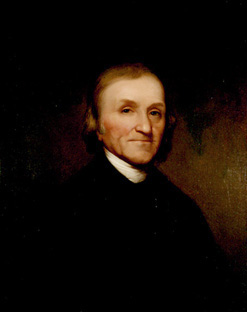
About Joseph Priestley