Economic theory deals with two concepts, Value and Economy. Abstract reasoning regarding these concepts rests ultimately on mathematical concepts of quantity, time and energy. The three are inseparable, for quantity and time are dimensions of energy. The quantity relationships of energy, usually termed "statics," turn on the problem of the relation of the parts to the whole, while the time relationships, usually termed "dynamics," are the relations of a process that connects past, present and future.
What It Means
This is a placeholder explanation generated by the low-overhead model. It interprets "Economic theory deals with two concepts, Value and Economy. Abstract reasoning regarding these concepts rests ultimately on mathematical concepts of quantity, time and energy. The three are inseparable, for quantity and time are dimensions of energy. The quantity relationships of energy, usually termed "statics," turn on the problem of the relation of the parts to the whole, while the time relationships, usually termed "dynamics," are the relations of a process that connects past, present and future." in the context of "p. 1; Lead paragraph first chapter on Mechanism, Scarcity, Working Rules" to mean that wisdom is timeless.

Tags
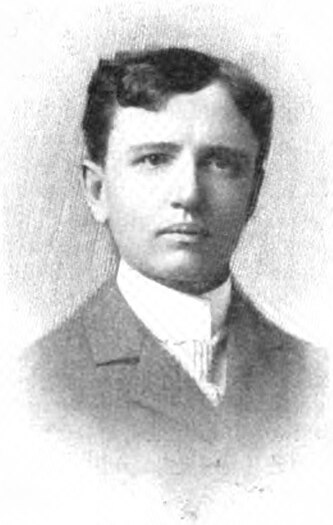
About John R. Commons