Consequences of the Difference p. 75
“
What is the use of all knowledge, if one does not act in accordance with it? This remark implies that knowledge is regarded as a means to action, and the latter as the real end. One could put the question the other way round and ask: How can we possibly act well without knowing what the Good is? This way of expressing it would regard knowledge as conditioning action. But both expressions are one-sided, and the truth is that both, knowledge as well as action, are in the same way inseparable elements of rational life.
— Johann Gottlieb Fichte
What It Means
This is a placeholder explanation generated by the low-overhead model. It interprets "What is the use of all knowledge, if one does not act in accordance with it? This remark implies that knowledge is regarded as a means to action, and the latter as the real end. One could put the question the other way round and ask: How can we possibly act well without knowing what the Good is? This way of expressing it would regard knowledge as conditioning action. But both expressions are one-sided, and the truth is that both, knowledge as well as action, are in the same way inseparable elements of rational life." in the context of "Consequences of the Difference p. 75" to mean that wisdom is timeless.
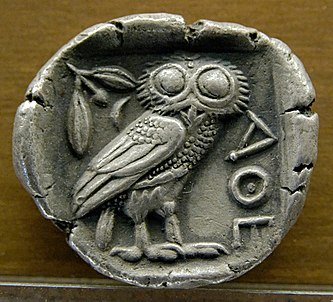
Source: Wikiquote: "Johann Gottlieb Fichte" (Quotes, Addresses to the German Nation (Reden an die deutsche Nation) 1808, Fifth Address)
The 'What it means' explanation text was generated by Google Gemini Flash (accessed January 18, 2026). https://gemini.google.com/app
Tags
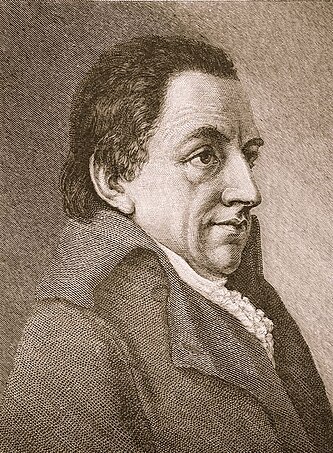
About Johann Gottlieb Fichte
Johann Gottlieb Fichte (19 May 1762 – 27 January 1814) was a German philosopher, who was one of the founding figures of the philosophical movement known as German idealism, a movement that developed from the theoretical and ethical writings of Immanuel Kant.
About Johann Gottlieb Fichte
Johann Gottlieb Fichte (19 May 1762 – 27 January 1814) was a German philosopher, who was one of the founding figures of the philosophical movement known as German idealism, a movement that developed from the theoretical and ethical writings of Immanuel Kant.
View all quotes →