Topic
Knowledge
Quotes
Knowledge: Power to Shape Futures.
Knowledge is the justified, true belief about the world and its workings, encompassing understanding, awareness, and practical skill acquired through experience or education. It is the bedrock of human progress, enabling us to solve problems, build societies, and ultimately, to comprehend our place within the universe and make meaningful choices in our lives.
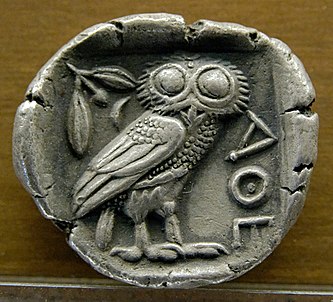
# Knowledge & Mind
U
 Mind
Mind Science
 Semiotics
 Virtues
U
Context: • John Skelton, Why Come Ye nat to Courte, line 1,106. Quote reported in Hoyt's New Cyclopedia Of Practical Quotations (1922), p. 419-23.
• Source: Wikiquote: "Knowledge" (Quotes, modern history, 15th century)
• Source: Wikiquote: "Knowledge" (Quotes, modern history, 15th century)
“He knew what is what.”
— Unknown
U
Context: • Referred to as a Hebrew proverb by F. W. Farrar in the Cambridge Bible for Schools and Colleges, volume on Luke's Gospel (1891).
• Source: Wikiquote: "Knowledge" (Proverbs)
• Source: Wikiquote: "Knowledge" (Proverbs)
“Learn to say I do not know”
— Unknown
U
Context: • Charles Lamb (1775–1834), Essays of Elia, The Old and the New Schoolmaster. Quote reported in Hoyt's New Cyclopedia Of Practical Quotations (1922), p. 419-23.
• Source: Wikiquote: "Knowledge" (Quotes, modern history, 19th century)
• Source: Wikiquote: "Knowledge" (Quotes, modern history, 19th century)
“Not if I know myself at all.”
— Unknown
U
Context: • One cannot know everything.
• Horace, Carmina, IV. 4. 22. Quote reported in Hoyt's New Cyclopedia Of Practical Quotations (1922), p. 419-23.
• Source: Wikiquote: "Knowledge" (Quotes, ancient history, Latin)
• Horace, Carmina, IV. 4. 22. Quote reported in Hoyt's New Cyclopedia Of Practical Quotations (1922), p. 419-23.
• Source: Wikiquote: "Knowledge" (Quotes, ancient history, Latin)
“Nec scire fas est omnia.”
— Unknown
# Knowledge & Science
U
Context: • Alfred Tennyson, Locksley Hall (1842), Stanza 71.
• Source: Wikiquote: "Knowledge" (Quotes, modern history, 19th century)
• Source: Wikiquote: "Knowledge" (Quotes, modern history, 19th century)
“Knowledge comes, but wisdom lingers.”
— Unknown
U
Context: • He who knows much has many cares.
• Gotthold Ephraim Lessing, Nathan der Weise, IV. 2. Quote reported in Hoyt's New Cyclopedia Of Practical Quotations (1922), p. 419-23.
• Source: Wikiquote: "Knowledge" (Quotes, modern history, 18th century)
• Gotthold Ephraim Lessing, Nathan der Weise, IV. 2. Quote reported in Hoyt's New Cyclopedia Of Practical Quotations (1922), p. 419-23.
• Source: Wikiquote: "Knowledge" (Quotes, modern history, 18th century)
“Wer viel weiss
Hat viel zu sorgen.”
— Unknown
U
Context: • I know you even under the skin.
• Persius, Satires, III. 30. Same in Erasmus—Adagia. Cited in: Hoyt's New Cyclopedia Of Practical Quotations (1922), p. 419-23.
• Source: Wikiquote: "Knowledge" (Quotes, ancient history, Latin)
• Persius, Satires, III. 30. Same in Erasmus—Adagia. Cited in: Hoyt's New Cyclopedia Of Practical Quotations (1922), p. 419-23.
• Source: Wikiquote: "Knowledge" (Quotes, ancient history, Latin)
“Ego te intus et in cute novi.”
— Unknown
U
Context: • Francis Bacon, Treatise, De Hæresiis. Cited in: Hoyt's New Cyclopedia Of Practical Quotations (1922), p. 419-23.
• Source: Wikiquote: "Knowledge" (Quotes, modern history, 16th century)
• Source: Wikiquote: "Knowledge" (Quotes, modern history, 16th century)
“For knowledge, too, is itself a power.”
— Unknown
U
Context: • Sir James Mackintosh, Vindiciæ Gallicæ (1791).
• Source: Wikiquote: "Knowledge" (Quotes, modern history, 18th century)
• Source: Wikiquote: "Knowledge" (Quotes, modern history, 18th century)
“Diffused knowledge immortalizes itself.”
— Unknown
# Knowledge & Semiotics
U
Context: • Variant of "A little learning is a dangerous thing" of Alexander Pope's Essay on Criticism
• Source: Wikiquote: "Knowledge" (Quotes, modern history, 18th century)
• Source: Wikiquote: "Knowledge" (Quotes, modern history, 18th century)
“A little knowledge is a dangerous thing”
— Unknown
U
Context: • Alfred, Lord Tennyson, "Locksley Hall", line 141, The Poetic and Dramatic Works of Alfred Lord Tennyson, p. 124 (1899).
• Source: Wikiquote: "Knowledge" (Respectfully Quoted: A Dictionary of Quotations (1989))
• Source: Wikiquote: "Knowledge" (Respectfully Quoted: A Dictionary of Quotations (1989))
“Knowledge comes, but wisdom lingers,…”
— Unknown
U
Context: • Sir Philip Sidney, Defence of Poesy. Quote reported in Hoyt's New Cyclopedia Of Practical Quotations (1922), p. 419-23.
• Source: Wikiquote: "Knowledge" (Quotes, modern history, 16th century)
• Source: Wikiquote: "Knowledge" (Quotes, modern history, 16th century)
“Sweet food of sweetly uttered knowledge.”
— Unknown
U
Context: • Lord Brougham, book title of a book published under the superintendence of the Society for the Diffusion of Useful Knowledge (1830). Duke of Sussex, address to the Royal Society (1839). Prof. Craik, Volume bearing this title (1828).
• Source: Wikiquote: "Knowledge" (Quotes, modern history, 19th century)
• Source: Wikiquote: "Knowledge" (Quotes, modern history, 19th century)
“Pursuit of knowledge under difficulties.”
— Unknown
U
Context: • Ralph Waldo Emerson, Society and Solitude (1870), "Old Age".
• Source: Wikiquote: "Knowledge" (Quotes, modern history, 19th century)
• Source: Wikiquote: "Knowledge" (Quotes, modern history, 19th century)
“There is no knowledge that is not power.”
— Unknown
# Knowledge & Virtues
U
Context: • Solomon, Proverbs 12:1.
• Source: Wikiquote: "Knowledge" (Quotes, ancient history, Bible)
• Source: Wikiquote: "Knowledge" (Quotes, ancient history, Bible)
“Whoever loves discipline loves knowledge.”
— Unknown
U
Context: • George Herbert (1593-1633). Quote reported in Josiah Hotchkiss Gilbert, Dictionary of Burning Words of Brilliant Writers (1895), p. 364.
• Source: Wikiquote: "Knowledge" (Quotes, modern history, 17th century)
• Source: Wikiquote: "Knowledge" (Quotes, modern history, 17th century)
“Knowledge is folly unless grace guide it.”
— Unknown
U
Context: • Oliver Goldsmith, The Traveller (1764), line 64.
• Source: Wikiquote: "Knowledge" (Quotes, modern history, 18th century)
• Source: Wikiquote: "Knowledge" (Quotes, modern history, 18th century)
“Who can direct, when all pretend to know?”
— Unknown
U
Context: • Proverbs, XVII. 27. Cited in Hoyt's New Cyclopedia Of Practical Quotations (1922), p. 419-23.
• Source: Wikiquote: "Knowledge" (Proverbs)
• Source: Wikiquote: "Knowledge" (Proverbs)
“He that hath knowledge spareth his words.”
— Unknown
U
Context: • Khalil Gibran, The Voice of the Master, trans. Anthony R. Ferris (1958), p. 87.
• Source: Wikiquote: "Knowledge" (Respectfully Quoted: A Dictionary of Quotations (1989))
• Source: Wikiquote: "Knowledge" (Respectfully Quoted: A Dictionary of Quotations (1989))
“Perplexity is the beginning of knowledge.”
— Unknown
# Knowledge & Chronologically ordered theme pages to be converted to alphabetical ordering
U
Context: • This precept descended from Heaven: know thyself.
• Juvenal, Satires (early 2nd century), XI. 27. Quote reported in Hoyt's New Cyclopedia Of Practical Quotations (1922), p. 419-23.
• Source: Wikiquote: "Knowledge" (Quotes, ancient history, Latin)
• Juvenal, Satires (early 2nd century), XI. 27. Quote reported in Hoyt's New Cyclopedia Of Practical Quotations (1922), p. 419-23.
• Source: Wikiquote: "Knowledge" (Quotes, ancient history, Latin)
“E cœlo descendit nosce te ipsum.”
— Unknown
U
Context: • Lord Byron, Manfred (1817), Act I, scene 1.
• Source: Wikiquote: "Knowledge" (Quotes, modern history, 19th century)
• Source: Wikiquote: "Knowledge" (Quotes, modern history, 19th century)
“The tree of knowledge is not that of life.”
— Unknown
U
Context: • It is well for one to know more than he says.
• Plautus, Epidecus, I. 1. 60. Cited in: Hoyt's New Cyclopedia Of Practical Quotations (1922), p. 419-23.
• Source: Wikiquote: "Knowledge" (Quotes, ancient history, Latin)
• Plautus, Epidecus, I. 1. 60. Cited in: Hoyt's New Cyclopedia Of Practical Quotations (1922), p. 419-23.
• Source: Wikiquote: "Knowledge" (Quotes, ancient history, Latin)
“Plus scire satius est, quam loqui.”
— Unknown
U
Context: • Source: Wikiquote: "Knowledge" (Quotes, modern history, 16th century)
“Nam et ipsa scientia potestas est.”
— Unknown
U
Context: • William Shakespeare, Love's Labour's Lost (c. 1595-6), Act I, scene 1, line 92.
• Source: Wikiquote: "Knowledge" (Quotes, modern history, 16th century)
• Source: Wikiquote: "Knowledge" (Quotes, modern history, 16th century)
“Too much to know is to know naught but fame.”
— Unknown
More Quotes
U
U
Context: • John Skelton, Why Come Ye nat to Courte, line 1,106. Quote reported in Hoyt's New Cyclopedia Of Practical Quotations (1922), p. 419-23.
• Source: Wikiquote: "Knowledge" (Quotes, modern history, 15th century)
• Source: Wikiquote: "Knowledge" (Quotes, modern history, 15th century)
“He knew what is what.”
— Unknown
U
Context: • Referred to as a Hebrew proverb by F. W. Farrar in the Cambridge Bible for Schools and Colleges, volume on Luke's Gospel (1891).
• Source: Wikiquote: "Knowledge" (Proverbs)
• Source: Wikiquote: "Knowledge" (Proverbs)
“Learn to say I do not know”
— Unknown
U
Context: • Charles Lamb (1775–1834), Essays of Elia, The Old and the New Schoolmaster. Quote reported in Hoyt's New Cyclopedia Of Practical Quotations (1922), p. 419-23.
• Source: Wikiquote: "Knowledge" (Quotes, modern history, 19th century)
• Source: Wikiquote: "Knowledge" (Quotes, modern history, 19th century)
“Not if I know myself at all.”
— Unknown
U
Context: • One cannot know everything.
• Horace, Carmina, IV. 4. 22. Quote reported in Hoyt's New Cyclopedia Of Practical Quotations (1922), p. 419-23.
• Source: Wikiquote: "Knowledge" (Quotes, ancient history, Latin)
• Horace, Carmina, IV. 4. 22. Quote reported in Hoyt's New Cyclopedia Of Practical Quotations (1922), p. 419-23.
• Source: Wikiquote: "Knowledge" (Quotes, ancient history, Latin)
“Nec scire fas est omnia.”
— Unknown
U
Context: • Alfred Tennyson, Locksley Hall (1842), Stanza 71.
• Source: Wikiquote: "Knowledge" (Quotes, modern history, 19th century)
• Source: Wikiquote: "Knowledge" (Quotes, modern history, 19th century)
“Knowledge comes, but wisdom lingers.”
— Unknown
U
Context: • He who knows much has many cares.
• Gotthold Ephraim Lessing, Nathan der Weise, IV. 2. Quote reported in Hoyt's New Cyclopedia Of Practical Quotations (1922), p. 419-23.
• Source: Wikiquote: "Knowledge" (Quotes, modern history, 18th century)
• Gotthold Ephraim Lessing, Nathan der Weise, IV. 2. Quote reported in Hoyt's New Cyclopedia Of Practical Quotations (1922), p. 419-23.
• Source: Wikiquote: "Knowledge" (Quotes, modern history, 18th century)
“Wer viel weiss
Hat viel zu sorgen.”
— Unknown
U
Context: • I know you even under the skin.
• Persius, Satires, III. 30. Same in Erasmus—Adagia. Cited in: Hoyt's New Cyclopedia Of Practical Quotations (1922), p. 419-23.
• Source: Wikiquote: "Knowledge" (Quotes, ancient history, Latin)
• Persius, Satires, III. 30. Same in Erasmus—Adagia. Cited in: Hoyt's New Cyclopedia Of Practical Quotations (1922), p. 419-23.
• Source: Wikiquote: "Knowledge" (Quotes, ancient history, Latin)
“Ego te intus et in cute novi.”
— Unknown
U
Context: • Francis Bacon, Treatise, De Hæresiis. Cited in: Hoyt's New Cyclopedia Of Practical Quotations (1922), p. 419-23.
• Source: Wikiquote: "Knowledge" (Quotes, modern history, 16th century)
• Source: Wikiquote: "Knowledge" (Quotes, modern history, 16th century)
“For knowledge, too, is itself a power.”
— Unknown
U
Context: • Sir James Mackintosh, Vindiciæ Gallicæ (1791).
• Source: Wikiquote: "Knowledge" (Quotes, modern history, 18th century)
• Source: Wikiquote: "Knowledge" (Quotes, modern history, 18th century)
“Diffused knowledge immortalizes itself.”
— Unknown
U
Context: • Variant of "A little learning is a dangerous thing" of Alexander Pope's Essay on Criticism
• Source: Wikiquote: "Knowledge" (Quotes, modern history, 18th century)
• Source: Wikiquote: "Knowledge" (Quotes, modern history, 18th century)
“A little knowledge is a dangerous thing”
— Unknown
U
Context: • Alfred, Lord Tennyson, "Locksley Hall", line 141, The Poetic and Dramatic Works of Alfred Lord Tennyson, p. 124 (1899).
• Source: Wikiquote: "Knowledge" (Respectfully Quoted: A Dictionary of Quotations (1989))
• Source: Wikiquote: "Knowledge" (Respectfully Quoted: A Dictionary of Quotations (1989))
“Knowledge comes, but wisdom lingers,…”
— Unknown
U
Context: • Sir Philip Sidney, Defence of Poesy. Quote reported in Hoyt's New Cyclopedia Of Practical Quotations (1922), p. 419-23.
• Source: Wikiquote: "Knowledge" (Quotes, modern history, 16th century)
• Source: Wikiquote: "Knowledge" (Quotes, modern history, 16th century)
“Sweet food of sweetly uttered knowledge.”
— Unknown
U
Context: • Lord Brougham, book title of a book published under the superintendence of the Society for the Diffusion of Useful Knowledge (1830). Duke of Sussex, address to the Royal Society (1839). Prof. Craik, Volume bearing this title (1828).
• Source: Wikiquote: "Knowledge" (Quotes, modern history, 19th century)
• Source: Wikiquote: "Knowledge" (Quotes, modern history, 19th century)
“Pursuit of knowledge under difficulties.”
— Unknown
U
Context: • Ralph Waldo Emerson, Society and Solitude (1870), "Old Age".
• Source: Wikiquote: "Knowledge" (Quotes, modern history, 19th century)
• Source: Wikiquote: "Knowledge" (Quotes, modern history, 19th century)
“There is no knowledge that is not power.”
— Unknown
U
Context: • Solomon, Proverbs 12:1.
• Source: Wikiquote: "Knowledge" (Quotes, ancient history, Bible)
• Source: Wikiquote: "Knowledge" (Quotes, ancient history, Bible)
“Whoever loves discipline loves knowledge.”
— Unknown
U
Context: • George Herbert (1593-1633). Quote reported in Josiah Hotchkiss Gilbert, Dictionary of Burning Words of Brilliant Writers (1895), p. 364.
• Source: Wikiquote: "Knowledge" (Quotes, modern history, 17th century)
• Source: Wikiquote: "Knowledge" (Quotes, modern history, 17th century)
“Knowledge is folly unless grace guide it.”
— Unknown
U
Context: • Oliver Goldsmith, The Traveller (1764), line 64.
• Source: Wikiquote: "Knowledge" (Quotes, modern history, 18th century)
• Source: Wikiquote: "Knowledge" (Quotes, modern history, 18th century)
“Who can direct, when all pretend to know?”
— Unknown
U
Context: • Proverbs, XVII. 27. Cited in Hoyt's New Cyclopedia Of Practical Quotations (1922), p. 419-23.
• Source: Wikiquote: "Knowledge" (Proverbs)
• Source: Wikiquote: "Knowledge" (Proverbs)
“He that hath knowledge spareth his words.”
— Unknown
U
Context: • Khalil Gibran, The Voice of the Master, trans. Anthony R. Ferris (1958), p. 87.
• Source: Wikiquote: "Knowledge" (Respectfully Quoted: A Dictionary of Quotations (1989))
• Source: Wikiquote: "Knowledge" (Respectfully Quoted: A Dictionary of Quotations (1989))
“Perplexity is the beginning of knowledge.”
— Unknown
Quote Copied!