Although in our country the Chief Magistrate must almost of necessity be chosen by a party and stand pledged to its principles and measures, yet in his official action he should not be the President of a part only, but of the whole people of the United States. While he executes the laws with an impartial hand, shrinks from no proper responsibility, and faithfully carries out in the executive department of the Government the principles and policy of those who have chosen him, he should not be unmindful that our fellow-citizens who have differed with him in opinion are entitled to the full and free exercise of their opinions and judgments, and that the rights of all are entitled to respect and regard.
What It Means
This is a placeholder explanation generated by the low-overhead model. It interprets "Although in our country the Chief Magistrate must almost of necessity be chosen by a party and stand pledged to its principles and measures, yet in his official action he should not be the President of a part only, but of the whole people of the United States. While he executes the laws with an impartial hand, shrinks from no proper responsibility, and faithfully carries out in the executive department of the Government the principles and policy of those who have chosen him, he should not be unmindful that our fellow-citizens who have differed with him in opinion are entitled to the full and free exercise of their opinions and judgments, and that the rights of all are entitled to respect and regard." in the context of "Inaugural Address (4 March 1845)." to mean that wisdom is timeless.

Tags
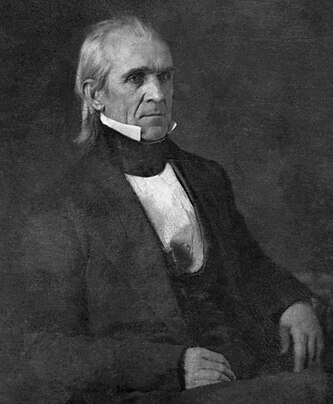
About James K. Polk