In its own more confused, less advanced way, New Dealism too has spread abroad the stress on the state as against the individual, planning as against private enterprise, jobs (even if relief jobs) against opportunities, security against initiative, "human rights" against "property rights." There can be no doubt that the psychological effect of New Dealism has been what the capitalists say it has been: to undermine public confidence in capitalist ideas and rights and institutions. Its most distinctive features help to prepare the minds of the masses for the acceptance of the managerial social structure.
What It Means
This is a placeholder explanation generated by the low-overhead model. It interprets "In its own more confused, less advanced way, New Dealism too has spread abroad the stress on the state as against the individual, planning as against private enterprise, jobs (even if relief jobs) against opportunities, security against initiative, "human rights" against "property rights." There can be no doubt that the psychological effect of New Dealism has been what the capitalists say it has been: to undermine public confidence in capitalist ideas and rights and institutions. Its most distinctive features help to prepare the minds of the masses for the acceptance of the managerial social structure." in the context of "p. 201–202." to mean that wisdom is timeless.

Tags
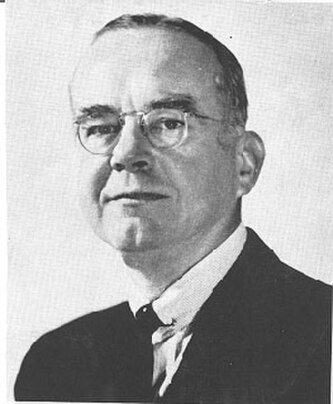
About James Burnham