The ant is the most pugnacious of all animals, and the most muscular compared with its size. It will boldly attack the biggest creature that walks if this creature invades its home. It will fasten its mandibles into an enemy, and allow itself to be torn to pieces without relaxing its hold. Among some savage tribes, certain species of ants are said to be used as surgeons. Infuriated ants are allowed to fasten their mandibles on the opposite edges of a gash, and in this way the wound is closed. The ants are decapitated, and their bodiless heads with their relentless jaws serve as stitches to the wound.
What It Means
This is a placeholder explanation generated by the low-overhead model. It interprets "The ant is the most pugnacious of all animals, and the most muscular compared with its size. It will boldly attack the biggest creature that walks if this creature invades its home. It will fasten its mandibles into an enemy, and allow itself to be torn to pieces without relaxing its hold. Among some savage tribes, certain species of ants are said to be used as surgeons. Infuriated ants are allowed to fasten their mandibles on the opposite edges of a gash, and in this way the wound is closed. The ants are decapitated, and their bodiless heads with their relentless jaws serve as stitches to the wound." in the context of "J. Howard Moore, The Universal Kinship (1906), p. 186" to mean that wisdom is timeless.
Tags
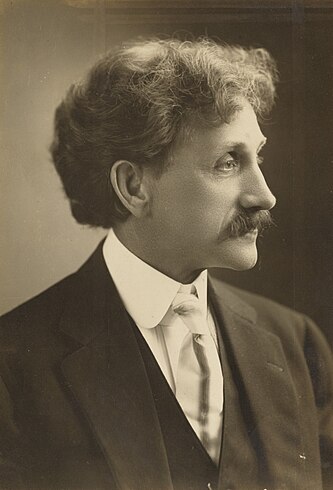
About J. Howard Moore