Perhaps the most able of all vindications of humane principles is that contained in Mr. Howard Moore's The Universal Kinship, published by the League in 1906. It was through a notice which I wrote in the Humanitarian of an earlier book of his, Better-World Philosophy, that the League first came into association with him; and I remember with shame that when that "sociological synthesis," as its sub-title proclaimed it to be, first came into my hands, I nearly left it unread, suspecting it to be but the latest of the many wearisome ethical treatises that are a scourge to the reviewer, to whom the very word "sociology" or "synthesis" is a terror. But fortunately I read the book, and quickly discovered its merits; and from that time, till his death in 1916, Howard Moore was one of the truest and tenderest of our friends, himself prone to despondency and, as his books show, with a touch of pessimism, yet never failing in his support and encouragement of others and of all humanitarian effort. "What on earth would we Unusuals do, in this lonely dream of life," so he wrote in one of his letters, "if it were not for the sympathy and friendship of the Few?"
What It Means
This is a placeholder explanation generated by the low-overhead model. It interprets "Perhaps the most able of all vindications of humane principles is that contained in Mr. Howard Moore's The Universal Kinship, published by the League in 1906. It was through a notice which I wrote in the Humanitarian of an earlier book of his, Better-World Philosophy, that the League first came into association with him; and I remember with shame that when that "sociological synthesis," as its sub-title proclaimed it to be, first came into my hands, I nearly left it unread, suspecting it to be but the latest of the many wearisome ethical treatises that are a scourge to the reviewer, to whom the very word "sociology" or "synthesis" is a terror. But fortunately I read the book, and quickly discovered its merits; and from that time, till his death in 1916, Howard Moore was one of the truest and tenderest of our friends, himself prone to despondency and, as his books show, with a touch of pessimism, yet never failing in his support and encouragement of others and of all humanitarian effort. "What on earth would we Unusuals do, in this lonely dream of life," so he wrote in one of his letters, "if it were not for the sympathy and friendship of the Few?"" in the context of "Henry S. Salt, Seventy Years Among Savages (1921), pp. 132–133" to mean that wisdom is timeless.
Tags
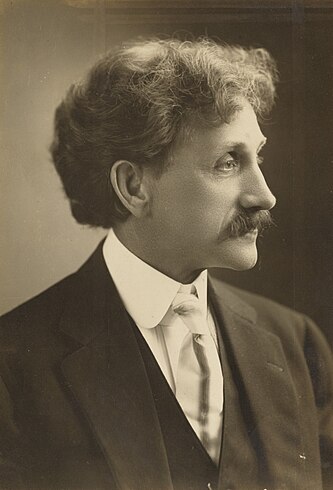
About J. Howard Moore