Nearly all birds build nests of some kind in which to cradle their eggs and young. The cow-bird and cuckoo (European), however, are exceptions. These birds have the rather human practice of turning their cares and labours over to somebody else. They are loafers and parasites. They lay their eggs secretly in the nests of other birds, where their eggs are hatched and their young cared for by an alien mother. I have seen a mother song-sparrow hustling about among the shrubs and grasses for an hour at a time almost, gathering food for a young cow-bird nearly twice as big as she was, while her foundling sat phlegmatically at the foot of a tree chirping and fluttering its wings, and acting as a thankless and apparently bottomless receptacle for the morsel after morsel laboriously harvested for it by its tireless little foster-mother.
What It Means
This is a placeholder explanation generated by the low-overhead model. It interprets "Nearly all birds build nests of some kind in which to cradle their eggs and young. The cow-bird and cuckoo (European), however, are exceptions. These birds have the rather human practice of turning their cares and labours over to somebody else. They are loafers and parasites. They lay their eggs secretly in the nests of other birds, where their eggs are hatched and their young cared for by an alien mother. I have seen a mother song-sparrow hustling about among the shrubs and grasses for an hour at a time almost, gathering food for a young cow-bird nearly twice as big as she was, while her foundling sat phlegmatically at the foot of a tree chirping and fluttering its wings, and acting as a thankless and apparently bottomless receptacle for the morsel after morsel laboriously harvested for it by its tireless little foster-mother." in the context of "J. Howard Moore, The Universal Kinship (1906), pp. 172–173" to mean that wisdom is timeless.
Tags
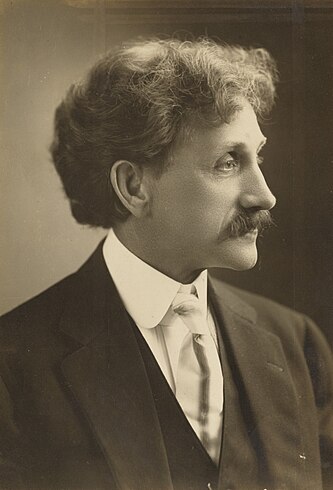
About J. Howard Moore