Roderick Nash, The Rights of Nature: A History of Environmental Ethics (1989), p. 54
“
At times Moore strikes contemporary ethicists as rather ridiculous, arguing, for instance, against meat-eating even by wild animals. It is likely that Moore's ardent vegetarianism contributed to this attitude.
— Roderick Nash
What It Means
This is a placeholder explanation generated by the low-overhead model. It interprets "At times Moore strikes contemporary ethicists as rather ridiculous, arguing, for instance, against meat-eating even by wild animals. It is likely that Moore's ardent vegetarianism contributed to this attitude." in the context of "Roderick Nash, The Rights of Nature: A History of Environmental Ethics (1989), p. 54" to mean that wisdom is timeless.
Source: Wikiquote: "J. Howard Moore" (Quotes about Moore)
The 'What it means' explanation text was generated by Google Gemini Flash (accessed January 18, 2026). https://gemini.google.com/app
Tags
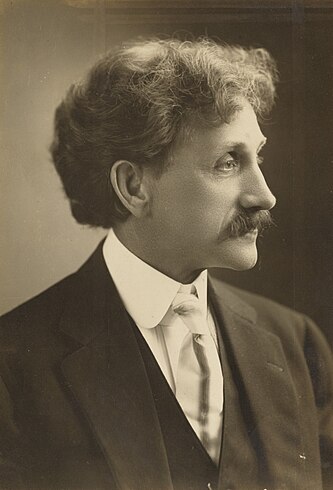
About J. Howard Moore
John Howard Moore (December 4, 1862 – June 17, 1916) was an American zoologist, philosopher, educator and social reformer. He advocated for the ethical consideration and treatment of animals and authored several articles, books, essays and pamphlets on topics including education, ethics, evolutionary biology, humanitarianism, utilitarianism and vegetarianism. He is best known for his work The Universal Kinship (1906), which advocated for a secular sentiocentric philosophy he called the doctrine of "Universal Kinship", based on the shared evolutionary kinship between all sentient beings.
View all quotes →