The socialization or nationalization of production and distribution and the extinction of what is called Capitalism—by whatever name the ideal, and the process for its attainment, is called—would starve the resources, and, in time, drain away the life-blood of the great productive industries which depend for their efficiency on the free play of initiative and enterprise. And Labour is becoming more and more a class organization, an expression and embodiment of what is called “class-consciousness.” That again was significantly illustrated in the general strike, which was directed by organized Labour, and which was countenanced—it is true, in a somewhat shamefaced fashion—by the Parliamentary Labour Party leaders.
What It Means
This is a placeholder explanation generated by the low-overhead model. It interprets "The socialization or nationalization of production and distribution and the extinction of what is called Capitalism—by whatever name the ideal, and the process for its attainment, is called—would starve the resources, and, in time, drain away the life-blood of the great productive industries which depend for their efficiency on the free play of initiative and enterprise. And Labour is becoming more and more a class organization, an expression and embodiment of what is called “class-consciousness.” That again was significantly illustrated in the general strike, which was directed by organized Labour, and which was countenanced—it is true, in a somewhat shamefaced fashion—by the Parliamentary Labour Party leaders." in the context of "H. H. Asquith, Speech in Greenock (15 October 1926), quoted in Speeches by The Earl of Oxford and Asquith, K.G. (1927), p. 309" to mean that wisdom is timeless.

Tags
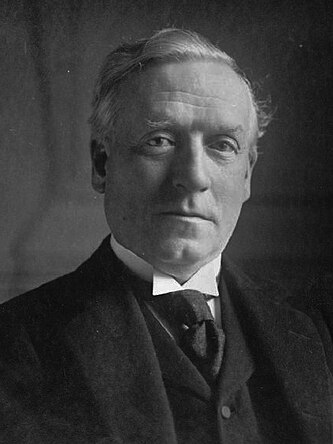
About H. H. Asquith