H. G. Wells, The Rights of Man, or what are we fighting for?, (1940)
• However, it is notable that in other places, e.g. The Time Machine (1895), the matter is much more nuanced to Wells
• However, it is notable that in other places, e.g. The Time Machine (1895), the matter is much more nuanced to Wells
“
[N]o man shall be subjected to any sort of mutilation or sterilisation except with his own deliberate consent, freely given.
— H. G. Wells on Eugenics
What It Means
This is a placeholder explanation generated by the low-overhead model. It interprets "[N]o man shall be subjected to any sort of mutilation or sterilisation except with his own deliberate consent, freely given." in the context of "H. G. Wells, The Rights of Man, or what are we fighting for?, (1940)
• However, it is notable that in other places, e.g. The Time Machine (1895), the matter is much more nuanced to Wells" to mean that wisdom is timeless.

Source: Wikiquote: "Eugenics" (Quotes)
The 'What it means' explanation text was generated by Google Gemini Flash (accessed January 18, 2026). https://gemini.google.com/app
Tags
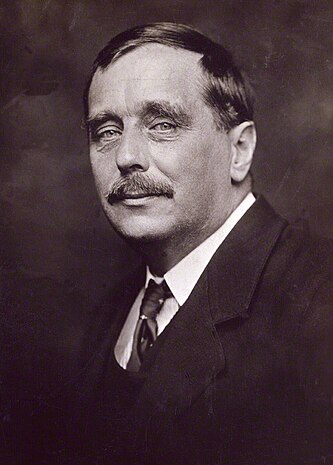
About H. G. Wells
Herbert George Wells (September 21 1866 – August 13 1946) was a British writer most famous for his science fiction novels such as The War of the Worlds, The Invisible Man and The Time Machine; also for Kipps, The History of Mr. Polly and other social satires.
About H. G. Wells
Herbert George Wells (September 21 1866 – August 13 1946) was a British writer most famous for his science fiction novels such as The War of the Worlds, The Invisible Man and The Time Machine; also for Kipps, The History of Mr. Polly and other social satires.
View all quotes →