Gustave Flaubert, letter to Louise Colet (19 September 1852), in The Letters of Gustave Flaubert: 1830–1857, selected, edited and translated by Francis Steegmuller (1980), p. 170
“
Unless one is a moron, one always dies unsure of one's own value and that of one's works. Virgil himself, as he lay dying, wanted the Aeneid burned.
— Gustave Flaubert on Virgil
What It Means
This is a placeholder explanation generated by the low-overhead model. It interprets "Unless one is a moron, one always dies unsure of one's own value and that of one's works. Virgil himself, as he lay dying, wanted the Aeneid burned." in the context of "Gustave Flaubert, letter to Louise Colet (19 September 1852), in The Letters of Gustave Flaubert: 1830–1857, selected, edited and translated by Francis Steegmuller (1980), p. 170" to mean that wisdom is timeless.

Source: Wikiquote: "Virgil" (Quotes about Virgil)
The 'What it means' explanation text was generated by Google Gemini Flash (accessed January 18, 2026). https://gemini.google.com/app
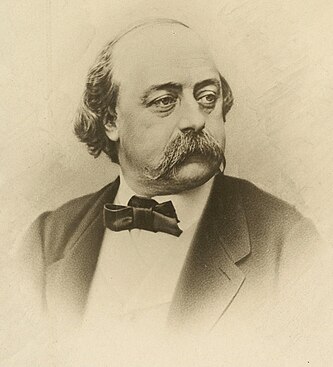
About Gustave Flaubert
Gustave Flaubert (December 12 1821 – May 8 1880) was an influential French writer who was perhaps the leading exponent of literary realism of his country. He is known especially for his first published novel, Madame Bovary (1857), for his Correspondence, and for his scrupulous devotion to his style and aesthetics.
View all quotes →