Don't talk to me about your hideous reality! What does it mean — reality? Some see things black, others blue — the multitude sees them brute-fashion. There is nothing less natural than Michael Angelo; there is nothing more powerful! The anxiety about eternal truth is a mark of contemporary baseness; and art will become, if things go on in that way, a sort of poor joke as much below religion as it is below poetry, and as much below politics as it is below business. You will never reach its end — yes, its end! — which is to cause within us an impersonal exaltation, with petty works, in spite of all your finished execution.
What It Means
This is a placeholder explanation generated by the low-overhead model. It interprets "Don't talk to me about your hideous reality! What does it mean — reality? Some see things black, others blue — the multitude sees them brute-fashion. There is nothing less natural than Michael Angelo; there is nothing more powerful! The anxiety about eternal truth is a mark of contemporary baseness; and art will become, if things go on in that way, a sort of poor joke as much below religion as it is below poetry, and as much below politics as it is below business. You will never reach its end — yes, its end! — which is to cause within us an impersonal exaltation, with petty works, in spite of all your finished execution." in the context of "Pt. 1, Ch. 4" to mean that wisdom is timeless.

Tags
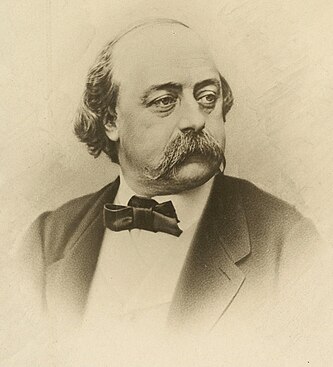
About Gustave Flaubert