“But,” said Emma, “ one must, after all, follow, to a certain extent, the opinion of the world and conform to its morality.” “Ah! but then there are two moralities. The petty, the conventional one, that of men, that which varies unceasingly and bawls so loudly, that one grovels below, close to the earth, like this assembly of idiots which you behold. But the other, the eternal, is all around and above us, like the landscape that encircles us and the blue heaven that gives us light.”
What It Means
This is a placeholder explanation generated by the low-overhead model. It interprets "“But,” said Emma, “ one must, after all, follow, to a certain extent, the opinion of the world and conform to its morality.” “Ah! but then there are two moralities. The petty, the conventional one, that of men, that which varies unceasingly and bawls so loudly, that one grovels below, close to the earth, like this assembly of idiots which you behold. But the other, the eternal, is all around and above us, like the landscape that encircles us and the blue heaven that gives us light.”" in the context of "Gustave Flaubert, Rodolphe and Mme. Bovary, Madame Bovary (1857), Part 2, Chapter 8." to mean that wisdom is timeless.

Tags
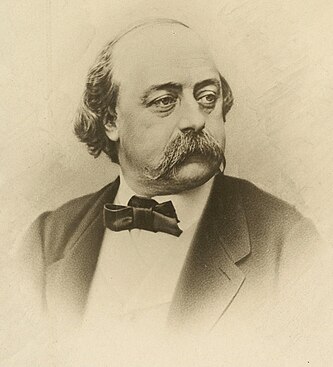
About Gustave Flaubert