She should have been a man – a great navigator. Her powerful reason would have deduced new spheres of discovery from the knowledge of the old; and her strong imperious will would never have been daunted by opposition or difficulty, never have given way but with life. She had a head for logic, and a capability of argument unusual in a man and rarer indeed in a woman... impairing this gift was her stubborn tenacity of will which rendered her obtuse to all reasoning where her own wishes, or her own sense of right, was concerned.
What It Means
This is a placeholder explanation generated by the low-overhead model. It interprets "She should have been a man – a great navigator. Her powerful reason would have deduced new spheres of discovery from the knowledge of the old; and her strong imperious will would never have been daunted by opposition or difficulty, never have given way but with life. She had a head for logic, and a capability of argument unusual in a man and rarer indeed in a woman... impairing this gift was her stubborn tenacity of will which rendered her obtuse to all reasoning where her own wishes, or her own sense of right, was concerned." in the context of "Constantin Héger, (Emily's teacher in Brussels in 1842,) in a letter to Mrs. Gaskell, as quoted in The Oxford History of the Novel in English, Vol. III (2011), p. 208." to mean that wisdom is timeless.
Tags
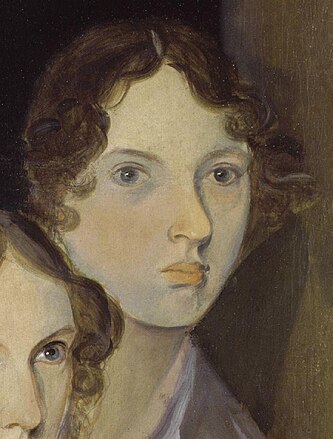
About Emily Brontë