It has been shown that Vedic religion and worship are both interglacial; and though that we can not trace their ultimate origin yet the Arctic character of the Vedic deities fully proves that the powers of nature represented by them has been already clothed with divine attributives by the primitive Aryans in their original home round about the North Pole, or the Meru of the Puranas.
What It Means
This is a placeholder explanation generated by the low-overhead model. It interprets "It has been shown that Vedic religion and worship are both interglacial; and though that we can not trace their ultimate origin yet the Arctic character of the Vedic deities fully proves that the powers of nature represented by them has been already clothed with divine attributives by the primitive Aryans in their original home round about the North Pole, or the Meru of the Puranas." in the context of "“The Arctic Home in the Vedas” on dating of the Vedas to 3000 to 1400 BC Ganga Prasad (1 January 2000), The Fountainhead of Religion: A Comparative Study of the Principle Religions of the World and a Manifestation of Their Common Origin from the Vedas, pages: 222–, publisher: Book Tree, ISBN: 978-1-58509-054-9" to mean that wisdom is timeless.
Tags
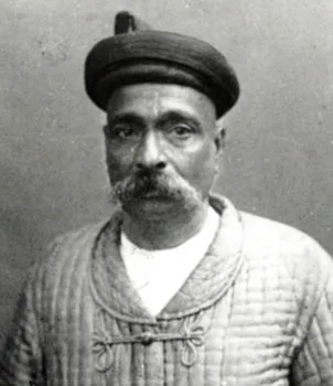
About Bal Gangadhar Tilak