In the early geological ages, when the Alps were low and the Himalayas not yet upheaved... from geological evidence of fossil and fauna, we find that an equitable climate and uniform climate prevailed over the whole surface of the globe. It is now conclusively proved that before the advent of glacial and interglacial periods luxurious forest vegetation... flourished in the high latitude of the polar regions where the Sun goes below the horizon from November till March, thus showing that a warm climate prevailed in the Arctic regions in those days
What It Means
This is a placeholder explanation generated by the low-overhead model. It interprets "In the early geological ages, when the Alps were low and the Himalayas not yet upheaved... from geological evidence of fossil and fauna, we find that an equitable climate and uniform climate prevailed over the whole surface of the globe. It is now conclusively proved that before the advent of glacial and interglacial periods luxurious forest vegetation... flourished in the high latitude of the polar regions where the Sun goes below the horizon from November till March, thus showing that a warm climate prevailed in the Arctic regions in those days" in the context of "Ashok Pant (August 2012), The Truth of Babri Mosque, page: 55, publisher: iUniverse, ISBN: 978-1-4759-4289-7" to mean that wisdom is timeless.
Tags
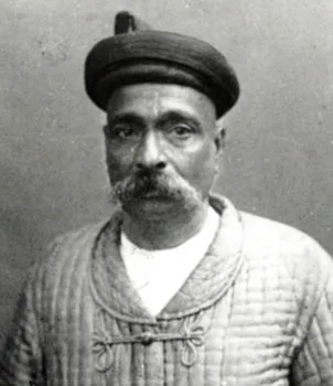
About Bal Gangadhar Tilak