Bal Gangadhar Tilak, reproduced in V.D. Savarkar: Hindutva, and quoted in Elst, Koenraad (2002). Who is a Hindu?: Hindu revivalist views of Animism, Buddhism, Sikhism, and other offshoots of Hinduism. ISBN 978-8185990743
“
Belief in the Vedas, many means, no strict rule for worship: these are the features of the Hindu religion.
— Bal Gangadhar Tilak on Hinduism
What It Means
This is a placeholder explanation generated by the low-overhead model. It interprets "Belief in the Vedas, many means, no strict rule for worship: these are the features of the Hindu religion." in the context of "Bal Gangadhar Tilak, reproduced in V.D. Savarkar: Hindutva, and quoted in Elst, Koenraad (2002). Who is a Hindu?: Hindu revivalist views of Animism, Buddhism, Sikhism, and other offshoots of Hinduism. ISBN 978-8185990743" to mean that wisdom is timeless.

Source: Wikiquote: "Hinduism" (T)
The 'What it means' explanation text was generated by Google Gemini Flash (accessed January 18, 2026). https://gemini.google.com/app
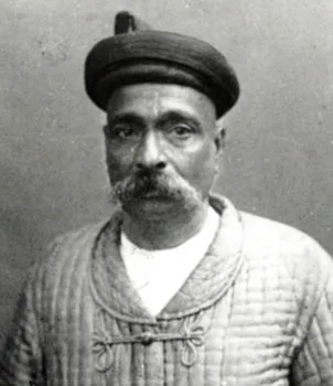
About Bal Gangadhar Tilak
Bal Gangadhar Tilak (23 July 1856 – 1 August 1920), born Keshav Gangadhar Tilak, was a popular leader of the people who fought for Indian independence during the Indian Independence Movement. He was a journalist, teacher, social reformer, playwright, and lawyer. He was also a political extremist. He founded the Home Rule League in 1915. He was given the epithets "Father of the Indian unrest" by the British colonial authorities and “Father of Indian Consciousness”. Tilak was also addressed by the honorific "Lokmanya" (meaning: "Accepted by the people as their leader). A coin bearing Lokmanya's image has been issued.
View all quotes →