B. H. Liddell Hart, The Ghost of Napoleon (1933), p. 120
“
If one weighs his influence and his emphasis, one might describe him historically as the Mahdi of mass and mutual massacre. For he was the source of the doctrine of "absolute war", the fight to a finish theory which, beginning with the argument that "war is only a continuation of state policy by other means", ended by making policy the slave of strategy.
— B. H. Liddell Hart on Carl von Clausewitz
What It Means
This is a placeholder explanation generated by the low-overhead model. It interprets "If one weighs his influence and his emphasis, one might describe him historically as the Mahdi of mass and mutual massacre. For he was the source of the doctrine of "absolute war", the fight to a finish theory which, beginning with the argument that "war is only a continuation of state policy by other means", ended by making policy the slave of strategy." in the context of "B. H. Liddell Hart, The Ghost of Napoleon (1933), p. 120" to mean that wisdom is timeless.
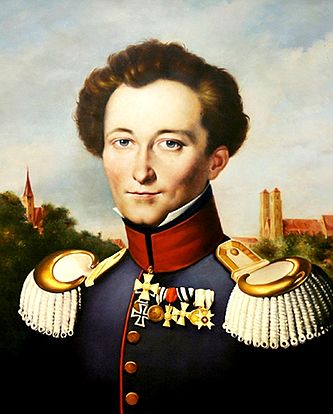
Source: Wikiquote: "Carl von Clausewitz" (Quotes about Clausewitz)
The 'What it means' explanation text was generated by Google Gemini Flash (accessed January 19, 2026). https://gemini.google.com/app
Tags

About B. H. Liddell Hart
Sir Basil Henry Liddell Hart (31 October 1895 – 29 January 1970), commonly known throughout most of his career as Captain B. H. Liddell Hart, was a British soldier, military historian and military theorist. He wrote a series of military histories that proved influential among strategists. He argued that frontal assault was a strategy that was bound to fail at great cost in lives as happened in the First World War. He instead recommended the "indirect approach" and reliance on fast-moving armoured formations.
View all quotes →