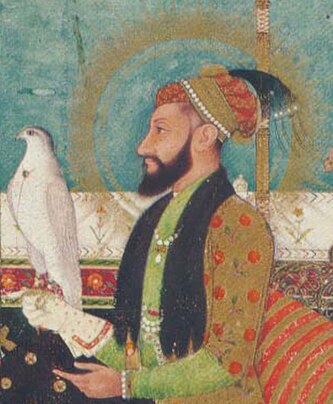
Historical fragments of the Mogul empire, of the Morattoes, and of the English concerns in Indostan, from the year M.DC.LIX. by Robert Orme, p. 73; Annals and Antiquities of Rajast'han, Or the Central and Western Rajpoot State of India by James Tod, p. 319; The Rajpoot Tribes: Vol. 2 by Charles Theophilius Metacalfe; Asiatic papers: Papers read before the Bombay branch of the royal Asiatic Society, Part 4, p. 163 by Jivanji Jamshedji Modi
“

...in order to palliate to his Mahomedan subjects, the crimes by which he had become their sovereign, he determined to enforce the conversion of the Hindoos throughout his empire by the severest penalties, and even threatened the sword.

— Historical fragments of the Mogul empire, of the Morattoes, and of the English concerns in Indostan, from the year M.DC.LIX.

What It Means

This is a placeholder explanation generated by the low-overhead model. It interprets "...in order to palliate to his Mahomedan subjects, the crimes by which he had become their sovereign, he determined to enforce the conversion of the Hindoos throughout his empire by the severest penalties, and even threatened the sword." in the context of "Historical fragments of the Mogul empire, of the Morattoes, and of the English concerns in Indostan, from the year M.DC.LIX. by Robert Orme, p. 73; Annals and Antiquities of Rajast'han, Or the Central and Western Rajpoot State of India by James Tod, p. 319; The Rajpoot Tribes: Vol. 2 by Charles Theophilius Metacalfe; Asiatic papers: Papers read before the Bombay branch of the royal Asiatic Society, Part 4, p. 163 by Jivanji Jamshedji Modi" to mean that wisdom is timeless.

Source: Wikiquote: "Aurangzeb" (Quotes about Aurangzeb, 1700s) The 'What it means' explanation text was generated by Google Gemini Flash (accessed January 18, 2026). https://gemini.google.com/app
Aurangzeb

About Aurangzeb

Muhy-ud-Din Muhammad Aurangzeb Alamgir (4 November 1618 – 3 March 1707), more commonly known as Aurangzeb ("Jewel in the crown") or by his chosen imperial title Alamgir ("Conquerer of the World"), was the sixth Mughal Emperor, whose Islamic reign across most of the Indian subcontinent lasted from 1658 until his death in 1707.