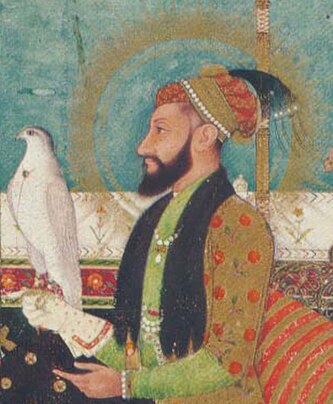
I wish you to recollect that the greatest conquerors are not always the greatest kings. The nations of the earth have often been subjugated by mere uncivilized barbarians, and the most extensive conquests have, in a few short years, crumbled to pieces. He is the truly great king who makes it the chief business of his life to govern his subjects with equity." - Meaning and context.">
Emperor Aurangzeb, retorting in a letter to his father the recently dethroned Shah Jahan for criticising the newly crowned emperor for ineffectively deploying troops in Bengal and the Deccan, see Aurangzeb:The Life and Legacy of India's Most Controversial King by Audrey Truschke. Also see Emperors of the Peacock Throne: The Saga of the Great Mughals by Abraham Eraly
“

I wish you to recollect that the greatest conquerors are not always the greatest kings. The nations of the earth have often been subjugated by mere uncivilized barbarians, and the most extensive conquests have, in a few short years, crumbled to pieces. He is the truly great king who makes it the chief business of his life to govern his subjects with equity.

— Aurangzeb

What It Means

This is a placeholder explanation generated by the low-overhead model. It interprets "I wish you to recollect that the greatest conquerors are not always the greatest kings. The nations of the earth have often been subjugated by mere uncivilized barbarians, and the most extensive conquests have, in a few short years, crumbled to pieces. He is the truly great king who makes it the chief business of his life to govern his subjects with equity." in the context of "Emperor Aurangzeb, retorting in a letter to his father the recently dethroned Shah Jahan for criticising the newly crowned emperor for ineffectively deploying troops in Bengal and the Deccan, see Aurangzeb:The Life and Legacy of India's Most Controversial King by Audrey Truschke. Also see Emperors of the Peacock Throne: The Saga of the Great Mughals by Abraham Eraly" to mean that wisdom is timeless.

Source: Wikiquote: "Aurangzeb" (Quotes) The 'What it means' explanation text was generated by Google Gemini Flash (accessed January 18, 2026). https://gemini.google.com/app
Aurangzeb

About Aurangzeb

Muhy-ud-Din Muhammad Aurangzeb Alamgir (4 November 1618 – 3 March 1707), more commonly known as Aurangzeb ("Jewel in the crown") or by his chosen imperial title Alamgir ("Conquerer of the World"), was the sixth Mughal Emperor, whose Islamic reign across most of the Indian subcontinent lasted from 1658 until his death in 1707.