I do not have the professional knowledge to write a scholarly article about Spinoza. But what I think about this man I can express in a few words. Spinoza was the first to apply with strict consistency the idea of an all-pervasive determinism to human thought, feeling, and action. In my opinion, his point of view has not gained general acceptance by all those striving for clarity and logical rigor only because it requires not only consistency of thought, but also unusual integrity, magnamity, and — modesty.
What It Means
This is a placeholder explanation generated by the low-overhead model. It interprets "I do not have the professional knowledge to write a scholarly article about Spinoza. But what I think about this man I can express in a few words. Spinoza was the first to apply with strict consistency the idea of an all-pervasive determinism to human thought, feeling, and action. In my opinion, his point of view has not gained general acceptance by all those striving for clarity and logical rigor only because it requires not only consistency of thought, but also unusual integrity, magnamity, and — modesty." in the context of "Albert Einstein (1932), in Max Jammer's Einstein and Religion: Physics and Theology (Princeton University Press)" to mean that wisdom is timeless.

Tags
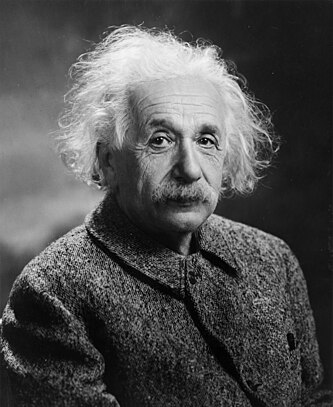
About Albert Einstein