Having been banished from his home and friends, Dante created in The Divine Comedy a new life for himself. Denied a voice in Florence, he recreated himself in fiction and gave this poetic "self" a voice that would ring through the ages. What we have in the poem is, in effect, a "virtual Dante." In fact we know far more about this virtual Dante (what literary critics call "Dante-pilgrim") than we know about the real historical person ("Dante-poet"). It is this virtual self who speaks to us across the centuries and is our guide through the landscape of medieval soul-space.
What It Means
This is a placeholder explanation generated by the low-overhead model. It interprets "Having been banished from his home and friends, Dante created in The Divine Comedy a new life for himself. Denied a voice in Florence, he recreated himself in fiction and gave this poetic "self" a voice that would ring through the ages. What we have in the poem is, in effect, a "virtual Dante." In fact we know far more about this virtual Dante (what literary critics call "Dante-pilgrim") than we know about the real historical person ("Dante-poet"). It is this virtual self who speaks to us across the centuries and is our guide through the landscape of medieval soul-space." in the context of "(1999), The Pearly Gates of Cyberspace: A History of Space from Dante to the Internet, page: 51" to mean that wisdom is timeless.
Tags
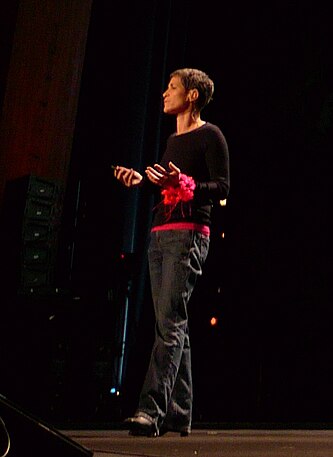
About Margaret Wertheim