L. P. Hartley on Lord David Cecil
← Back to L. P. Hartley Profile
“To my mind one of his finest achievements in the field of literary criticism is his theory of Emily Brontë's basic intention in Wuthering Heights. By the house and household of Hindley or filched from him by the villain Heathcliff – she means to represent the storm, the aberration from normal human nature. Whereas Thrushcross Grange, in spite of its many vicissitudes, embodies the calm, the restoration of order out of chaos, which wins in the end, after and indeed before Heathcliff's death... Emily's sympathies may have been with the storm rather than the calm, and I think they were; but it was left to David Cecil to discern the broad fundamental contrast between the two worlds of Wuthering Heights.”
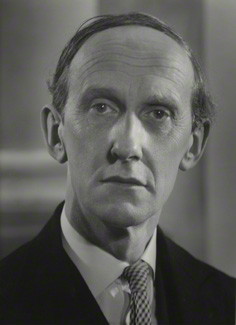
“What is the secret of his critical gift that distinguishes it from others? Partly, I think, his individual approach, which is easy to recognize but hard to define, because it combines the qualities of the professional and the amateur. Professional in its seriousness, is technical proficiency and its regard for the subject; amateur (in the original sense) of loving or liking the subject too much to let himself be bound by hard-and-fast rules of treatment... [H]is love of literature is too strong a thing to be forced into the channel of a single theme. It overflows its banks for the mere pleasure of it – and as all his readers know, to give pleasure is one of his main objects in writing. Writing without pleasure, given and received, is dead: it is one of the essential differences between art and science.”