In the months before I made wiki, we had been having an argument. I think Kent Beck and I were on one side. People who had a lot of faith in the prevailing dogma of software engineering were on the other side. We said, "Collective code ownership is good." They said, "That's ridiculous. You'll never get responsibility. You'll never get quality if you don't have responsibility. And the only way you'll get responsibility is ownership. You have to pin the bugs back on somebody if you want them to ever rise above producing bugs." And I said, "Well that's wrong."
What It Means
This is a placeholder explanation generated by the low-overhead model. It interprets "In the months before I made wiki, we had been having an argument. I think Kent Beck and I were on one side. People who had a lot of faith in the prevailing dogma of software engineering were on the other side. We said, "Collective code ownership is good." They said, "That's ridiculous. You'll never get responsibility. You'll never get quality if you don't have responsibility. And the only way you'll get responsibility is ownership. You have to pin the bugs back on somebody if you want them to ever rise above producing bugs." And I said, "Well that's wrong."" in the context of "Ward Cunningham (2003) "Collective Ownership of Code and Text : A Conversation with Ward Cunningham" Part II (1 December 2003)" to mean that wisdom is timeless.

Tags
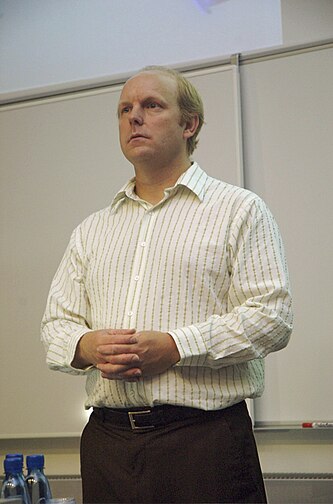
About Kent Beck