Kalhana's Rajatarangini Vol 2 , by Marc Aurel Stein https://archive.org/stream/RajataranginiVol2/1900%20Kalhana%27s%20Rajatarangini%20Vol%202%20translated%20by%20Stein%20s_djvu.txt
“
Blocks measuring up to sixteen feet in length, with a width and thickness equally imposing, were no convenient materials for the builders of Muhammadan Ziarats, Hammams, etc., who have otherwise done so much to efface the remains of ancient structures in Srinagar.
— Kalhana on Aurel Stein
What It Means
This is a placeholder explanation generated by the low-overhead model. It interprets "Blocks measuring up to sixteen feet in length, with a width and thickness equally imposing, were no convenient materials for the builders of Muhammadan Ziarats, Hammams, etc., who have otherwise done so much to efface the remains of ancient structures in Srinagar." in the context of "Kalhana's Rajatarangini Vol 2 , by Marc Aurel Stein https://archive.org/stream/RajataranginiVol2/1900%20Kalhana%27s%20Rajatarangini%20Vol%202%20translated%20by%20Stein%20s_djvu.txt" to mean that wisdom is timeless.
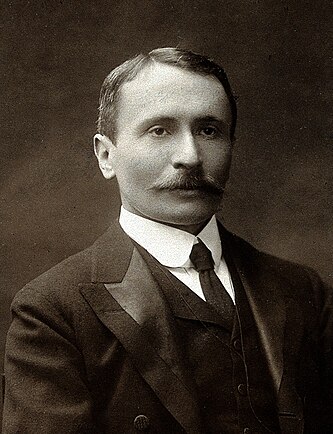
Source: Wikiquote: "Aurel Stein" (Quotes, Kalhana's Rajatarangini)
The 'What it means' explanation text was generated by Google Gemini Flash (accessed January 18, 2026). https://gemini.google.com/app
Tags
About Kalhana
Kalhana (sometimes spelled Kalhan or Kalhan'a) (c. 12th century), a Kashmiri, was the author of Rajatarangini (River of Kings), an account of the history of Kashmir. He wrote the work in Sanskrit between 1148 and 1149.
About Kalhana
Kalhana (sometimes spelled Kalhan or Kalhan'a) (c. 12th century), a Kashmiri, was the author of Rajatarangini (River of Kings), an account of the history of Kashmir. He wrote the work in Sanskrit between 1148 and 1149.
View all quotes →