In Russia, the so-called dictatorship of the proletariat has not led to Socialism, but to the domination of a new bureaucracy over the proletariat and the whole people. ... What the Russian autocrats and their supporters fear most is that the success of libertarian Socialism in Spain might prove to their blind followers that the much vaunted "necessity of dictatorship" is nothing but one vast fraud which in Russia has led to the despotism of Stalin and is to serve today in Spain to help the counter-revolution to a victory over the revolution of the workers and the peasants.
What It Means
This is a placeholder explanation generated by the low-overhead model. It interprets "In Russia, the so-called dictatorship of the proletariat has not led to Socialism, but to the domination of a new bureaucracy over the proletariat and the whole people. ... What the Russian autocrats and their supporters fear most is that the success of libertarian Socialism in Spain might prove to their blind followers that the much vaunted "necessity of dictatorship" is nothing but one vast fraud which in Russia has led to the despotism of Stalin and is to serve today in Spain to help the counter-revolution to a victory over the revolution of the workers and the peasants." in the context of "Rudolf Rocker, in The Tragedy of Spain (1937)" to mean that wisdom is timeless.

Tags
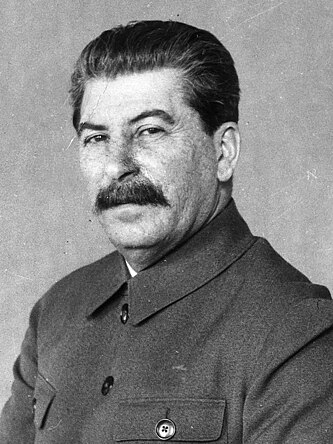
About Joseph Stalin