Opinion is so powerful in war that it can alter the nature of the same event and give it two different names, for no reason other than its own whim. A general throws his men between two enemy armies and he writes to his king, I have split him, he has lost. His opponent writes to his king, He has put himself between two fires, he is lost. Which of the two is mistaken? Whoever is seized by the cold goddess. Assuming that all things, especially size, are at least approximately equal, the only difference between the two positions is a purely moral one. It is imagination that loses battles.
What It Means
This is a placeholder explanation generated by the low-overhead model. It interprets "Opinion is so powerful in war that it can alter the nature of the same event and give it two different names, for no reason other than its own whim. A general throws his men between two enemy armies and he writes to his king, I have split him, he has lost. His opponent writes to his king, He has put himself between two fires, he is lost. Which of the two is mistaken? Whoever is seized by the cold goddess. Assuming that all things, especially size, are at least approximately equal, the only difference between the two positions is a purely moral one. It is imagination that loses battles." in the context of "Joseph de Maistre, St. Petersburg Dialogues (1821), p. 221" to mean that wisdom is timeless.

Tags
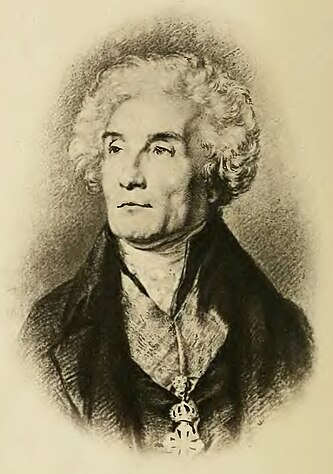
About Joseph de Maistre