One of the chief reasons for the maintenance of an army is the advantage of the military system as a method of education. The most fiery and headstrong, who are often also the most gifted and generous of your youths, have always a tendency both in the lower and upper classes to offer themselves for your soldiers: others, weak and unserviceable in the civil capacity, are tempted or entrapped into the army in a fortunate hour for them: out of this fiery or uncouth material, it is only soldier's discipline which can bring the full value and power. Even at present, by mere force of order and authority, the army is the salvation of myriads; and men who, under other circumstances, would have sunk into lethargy or dissipation, are redeemed into noble life by a service which at once summons and directs their energies.
What It Means
This is a placeholder explanation generated by the low-overhead model. It interprets "One of the chief reasons for the maintenance of an army is the advantage of the military system as a method of education. The most fiery and headstrong, who are often also the most gifted and generous of your youths, have always a tendency both in the lower and upper classes to offer themselves for your soldiers: others, weak and unserviceable in the civil capacity, are tempted or entrapped into the army in a fortunate hour for them: out of this fiery or uncouth material, it is only soldier's discipline which can bring the full value and power. Even at present, by mere force of order and authority, the army is the salvation of myriads; and men who, under other circumstances, would have sunk into lethargy or dissipation, are redeemed into noble life by a service which at once summons and directs their energies." in the context of "Lecture V: The Work of Iron, in Nature, Art, and Policy, p. 194" to mean that wisdom is timeless.

Tags
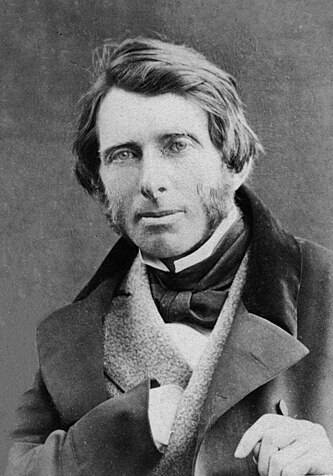
About John Ruskin