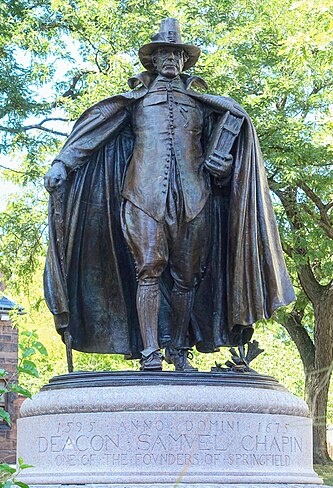
The absolute devotion of the Puritan to a Supreme Will tended more and more to rob him of all sense of measure and proportion in common matters. Little things became great things in the glare of religious zeal; and the godly man learnt to shrink from a surplice, or a mince-pie at Christmas, as he shrank from impurity or a lie. Life became hard, rigid, colourless, as it became intense. The play, the geniality, the delight of the Elizabethan age were exchanged for a measured sobriety, seriousness, and self-restraint. But it was a self-restraint and sobriety which limited itself wholly to the outer life. In the inner soul of the Puritan, sense, reason, judgment were overborne by the terrible reality of "invisible things."
What It Means
This is a placeholder explanation generated by the low-overhead model. It interprets "The absolute devotion of the Puritan to a Supreme Will tended more and more to rob him of all sense of measure and proportion in common matters. Little things became great things in the glare of religious zeal; and the godly man learnt to shrink from a surplice, or a mince-pie at Christmas, as he shrank from impurity or a lie. Life became hard, rigid, colourless, as it became intense. The play, the geniality, the delight of the Elizabethan age were exchanged for a measured sobriety, seriousness, and self-restraint. But it was a self-restraint and sobriety which limited itself wholly to the outer life. In the inner soul of the Puritan, sense, reason, judgment were overborne by the terrible reality of "invisible things."" in the context of "John Richard Green, A Short History of the English People (1874), p. 453" to mean that wisdom is timeless.
Tags

About John Richard Green