We must give the system sufficient factors of stability to enable it to work; but we must not assume that these forces are so powerful as to prevent the system from being liable to fluctuations. There must be a tendency to rigidity of certain prices, particularly wage-rates; but there must also be a tendency to rigidity of certain price-expectations as well, in order to provide an explanation for the rigidity of these prices... Indeed we should do better to assume a good deal of variation in different people’s elasticities of expectations... Of course the way in which a population is divided with respect to this sort of sensitivity will vary very much in different circumstances... We have to be prepared to deal with a range of possible cases, varying from that of a settled community, which has been accustomed to steady conditions in the past (and which, for that reason, is not easily disturbed in the present), to that of a community which has been exposed to violent disturbances of prices (and which may have to be regarded, in consequence, as being economically neurotic.
What It Means
This is a placeholder explanation generated by the low-overhead model. It interprets "We must give the system sufficient factors of stability to enable it to work; but we must not assume that these forces are so powerful as to prevent the system from being liable to fluctuations. There must be a tendency to rigidity of certain prices, particularly wage-rates; but there must also be a tendency to rigidity of certain price-expectations as well, in order to provide an explanation for the rigidity of these prices... Indeed we should do better to assume a good deal of variation in different people’s elasticities of expectations... Of course the way in which a population is divided with respect to this sort of sensitivity will vary very much in different circumstances... We have to be prepared to deal with a range of possible cases, varying from that of a settled community, which has been accustomed to steady conditions in the past (and which, for that reason, is not easily disturbed in the present), to that of a community which has been exposed to violent disturbances of prices (and which may have to be regarded, in consequence, as being economically neurotic." in the context of "p. 271–2; as cited in: Roberto Scazzieri, Amartya Sen, Stefano Zamagni (2008) Markets, Money and Capital: Hicksian Economics for the Twenty First Century, p. 161" to mean that wisdom is timeless.
Tags
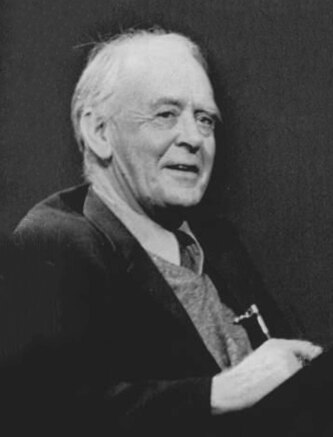
About John Hicks