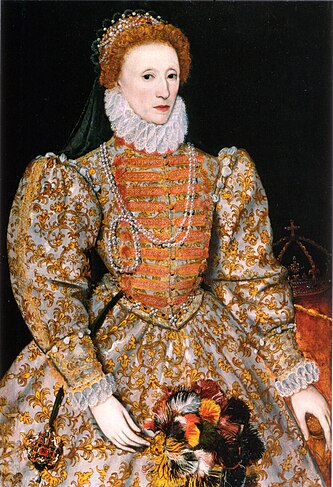
[O]ur thanks, most due, to Almighty God, what cause have we all Englishmen so to do, that is, to render most ample thanksgiving to the mercifulness of God, who hath granted, conserved, and advanced, to the seat-regal of this realm, so good, godly, and virtuous a queen; such a chosen instrument of his clemency, so virtuously natured, so godly disposed, so merciful without marring, so humble without pride, so moderate without prodigality, so maidenly without pomp.
What It Means
This is a placeholder explanation generated by the low-overhead model. It interprets "[O]ur thanks, most due, to Almighty God, what cause have we all Englishmen so to do, that is, to render most ample thanksgiving to the mercifulness of God, who hath granted, conserved, and advanced, to the seat-regal of this realm, so good, godly, and virtuous a queen; such a chosen instrument of his clemency, so virtuously natured, so godly disposed, so merciful without marring, so humble without pride, so moderate without prodigality, so maidenly without pomp." in the context of "John Foxe, The Acts and Monuments of John Foxe: A New and Complete Edition, Vol. VIII, ed. Stephen Reed Cattley (1839), p. 601" to mean that wisdom is timeless.
Tags

About John Foxe