Nay, tho' our Atoms shou'd revolve by chance,
And matter leape into the former dance;
Tho' time our Life and motion cou'd restore,
And make our Bodies what they were before,
What gain to us wou'd all this bustle bring,
The new made man wou'd be another thing;
When once an interrupting pause is made,
That individual Being is decay'd.
We, who are dead and gone, shall bear no part
In all the pleasures, nor shall feel the smart,
Which to that other Mortal shall accrew,
Whom of our Matter Time shall mould anew.
What It Means
This is a placeholder explanation generated by the low-overhead model. It interprets "Nay, tho' our Atoms shou'd revolve by chance,
And matter leape into the former dance;
Tho' time our Life and motion cou'd restore,
And make our Bodies what they were before,
What gain to us wou'd all this bustle bring,
The new made man wou'd be another thing;
When once an interrupting pause is made,
That individual Being is decay'd.
We, who are dead and gone, shall bear no part
In all the pleasures, nor shall feel the smart,
Which to that other Mortal shall accrew,
Whom of our Matter Time shall mould anew." in the context of "Translation of the Latter Part of the Third Book of Lucretius: "Against the Fear of Death"" to mean that wisdom is timeless.

Tags
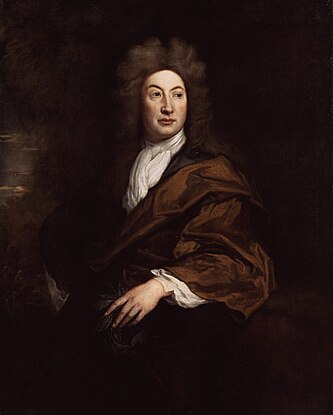
About John Dryden