ll. 295–304
“
More Safe, and much more modest 'tis, to say
God wou'd not leave Mankind without a way:
And that the Scriptures, though not every where
Free from Corruption, or intire, or clear,
Are uncorrupt, sufficient, clear, intire,
In all things which our needfull Faith require.
If others in the same Glass better see
'Tis for Themselves they look, but not for me:
For my Salvation must its Doom receive
Not from what others, but what I believe.
— John Dryden
What It Means
This is a placeholder explanation generated by the low-overhead model. It interprets "More Safe, and much more modest 'tis, to say
God wou'd not leave Mankind without a way:
And that the Scriptures, though not every where
Free from Corruption, or intire, or clear,
Are uncorrupt, sufficient, clear, intire,
In all things which our needfull Faith require.
If others in the same Glass better see
'Tis for Themselves they look, but not for me:
For my Salvation must its Doom receive
Not from what others, but what I believe." in the context of "ll. 295–304" to mean that wisdom is timeless.
Source: Wikiquote: "John Dryden" (Quotes, Religio Laici (1682))
The 'What it means' explanation text was generated by Google Gemini Flash (accessed January 18, 2026). https://gemini.google.com/app
Tags
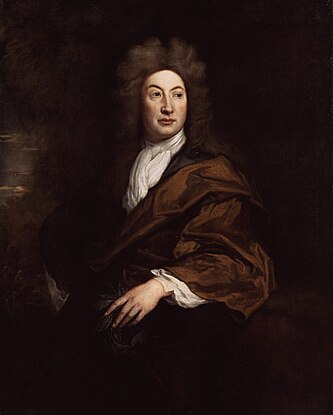
About John Dryden
John Dryden (19 August
About John Dryden
John Dryden (19 August
View all quotes →