John Dryden, Theodore and Honoria, line 217.
“
Long stood the noble youth oppress'd with awe, And stupid at the wondrous things he saw, Surpassing common faith, transgressing nature's law.
— John Dryden on Wonders
What It Means
This is a placeholder explanation generated by the low-overhead model. It interprets "Long stood the noble youth oppress'd with awe, And stupid at the wondrous things he saw, Surpassing common faith, transgressing nature's law." in the context of "John Dryden, Theodore and Honoria, line 217." to mean that wisdom is timeless.
Source: Wikiquote: "Wonders" (Quotes, Hoyt's New Cyclopedia Of Practical Quotations: Quotes reported in Hoyt's New Cyclopedia Of Practical Quotations (1922), p. 897-98.)
The 'What it means' explanation text was generated by Google Gemini Flash (accessed January 18, 2026). https://gemini.google.com/app
Tags
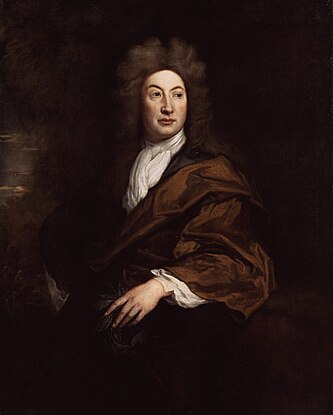
About John Dryden
John Dryden (19 August
About John Dryden
John Dryden (19 August
View all quotes →