Here let me bend, great Dryden, at thy shrine, Thou dearest name to all the tuneful nine. What if some dull lines in cold order creep, And with his theme the poet seems to sleep? Still, when his subject rises proud to view, With equal strength the poet rises too: With strong invention, noblest vigour fraught, Thought still springs up and rises out of thought; Numbers ennobling numbers in their course, In varied sweetness flow, in varied force; The powers of genius and of judgment join, And the whole Art of Poetry is thine.
What It Means
This is a placeholder explanation generated by the low-overhead model. It interprets "Here let me bend, great Dryden, at thy shrine, Thou dearest name to all the tuneful nine. What if some dull lines in cold order creep, And with his theme the poet seems to sleep? Still, when his subject rises proud to view, With equal strength the poet rises too: With strong invention, noblest vigour fraught, Thought still springs up and rises out of thought; Numbers ennobling numbers in their course, In varied sweetness flow, in varied force; The powers of genius and of judgment join, And the whole Art of Poetry is thine." in the context of "Charles Churchill, The Apology (1761), lines 376–387" to mean that wisdom is timeless.
Tags
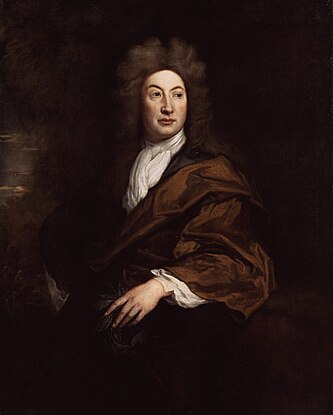
About John Dryden