Hugh Blair, Lectures on Rhetoric and Belles Lettres, Vol. I (1783), Lecture XVIII, p. 378.
“
He had made the language his study; and though he wrote hastily, and often incorrectly, and his style is not free from faults, yet there is a richness in his diction, a copiousness, ease, and variety in his expression, which has not been surpassed by any who have come after him.
— Hugh Blair
What It Means
This is a placeholder explanation generated by the low-overhead model. It interprets "He had made the language his study; and though he wrote hastily, and often incorrectly, and his style is not free from faults, yet there is a richness in his diction, a copiousness, ease, and variety in his expression, which has not been surpassed by any who have come after him." in the context of "Hugh Blair, Lectures on Rhetoric and Belles Lettres, Vol. I (1783), Lecture XVIII, p. 378." to mean that wisdom is timeless.

Source: Wikiquote: "John Dryden" (Quotes about Dryden)
The 'What it means' explanation text was generated by Google Gemini Flash (accessed January 18, 2026). https://gemini.google.com/app
Tags
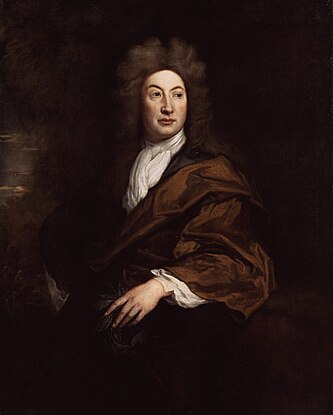
About John Dryden
John Dryden (19 August
About John Dryden
John Dryden (19 August
View all quotes →