The purpose of the State is, as we have already shown in our last lecture, no other than that of the Human Race itself:-to order all its relations according to the Laws of Reason. It is only after the Age of Reason as Science shall have been traversed, and we shall have arrived at the Age of Reason as Art, that the State can reflect upon this purpose with clear consciousness. Till then it constantly promotes this purpose, but without its own knowledge, or free pre meditated design; prompted thereto by the natural law of the development of our Race, even while it has a totally different purpose in view;—with which purpose of its own, Nature has indissolubly bound up the purpose of the whole Race.
What It Means
This is a placeholder explanation generated by the low-overhead model. It interprets "The purpose of the State is, as we have already shown in our last lecture, no other than that of the Human Race itself:-to order all its relations according to the Laws of Reason. It is only after the Age of Reason as Science shall have been traversed, and we shall have arrived at the Age of Reason as Art, that the State can reflect upon this purpose with clear consciousness. Till then it constantly promotes this purpose, but without its own knowledge, or free pre meditated design; prompted thereto by the natural law of the development of our Race, even while it has a totally different purpose in view;—with which purpose of its own, Nature has indissolubly bound up the purpose of the whole Race." in the context of "p. 168" to mean that wisdom is timeless.

Tags
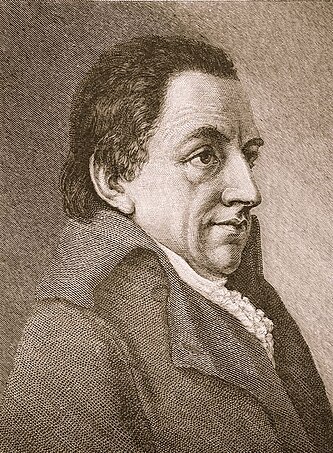
About Johann Gottlieb Fichte