Addresses to the German Nation (1807), Second Address : "The General Nature of the New Education". Chicago and London, The Open Court Publishing Company, 1922, p. 21
“
If you want to influence him at all, you must do more than merely talk to him ; you must fashion him, and fashion him in such a way that he simply cannot will otherwise than you wish him to will.
• Paraphrased variant: The schools must fashion the person, and fashion him in such a way that he simply cannot will otherwise than what you wish him to will.
— Johann Gottlieb Fichte
What It Means
This is a placeholder explanation generated by the low-overhead model. It interprets "If you want to influence him at all, you must do more than merely talk to him ; you must fashion him, and fashion him in such a way that he simply cannot will otherwise than you wish him to will.
• Paraphrased variant: The schools must fashion the person, and fashion him in such a way that he simply cannot will otherwise than what you wish him to will." in the context of "Addresses to the German Nation (1807), Second Address : "The General Nature of the New Education". Chicago and London, The Open Court Publishing Company, 1922, p. 21" to mean that wisdom is timeless.

Source: Wikiquote: "Johann Gottlieb Fichte" (Quotes)
The 'What it means' explanation text was generated by Google Gemini Flash (accessed January 18, 2026). https://gemini.google.com/app
Tags
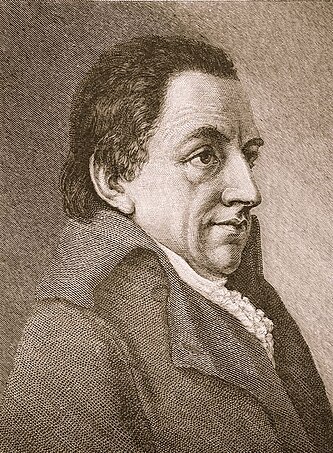
About Johann Gottlieb Fichte
Johann Gottlieb Fichte (19 May 1762 – 27 January 1814) was a German philosopher, who was one of the founding figures of the philosophical movement known as German idealism, a movement that developed from the theoretical and ethical writings of Immanuel Kant.
About Johann Gottlieb Fichte
Johann Gottlieb Fichte (19 May 1762 – 27 January 1814) was a German philosopher, who was one of the founding figures of the philosophical movement known as German idealism, a movement that developed from the theoretical and ethical writings of Immanuel Kant.
View all quotes →