"The Vocation of the Scholar" (1794), as translated by William Smith, in The Popular Works of Johann Gottlieb Fichte (1889), Vol. I, Lecture IV, p. 188.
“
Humanity may endure the loss of everything: all its possessions may be torn away without infringing its true dignity; — all but the possibility of improvement.
— Johann Gottlieb Fichte
What It Means
This is a placeholder explanation generated by the low-overhead model. It interprets "Humanity may endure the loss of everything: all its possessions may be torn away without infringing its true dignity; — all but the possibility of improvement." in the context of ""The Vocation of the Scholar" (1794), as translated by William Smith, in The Popular Works of Johann Gottlieb Fichte (1889), Vol. I, Lecture IV, p. 188." to mean that wisdom is timeless.

Source: Wikiquote: "Johann Gottlieb Fichte" (Quotes, The Vocation of the Scholar (1794): The Vocation of the Scholar (1794) by Johann Gottlieb Fichte, translated by William Smith.)
The 'What it means' explanation text was generated by Google Gemini Flash (accessed January 18, 2026). https://gemini.google.com/app
Tags
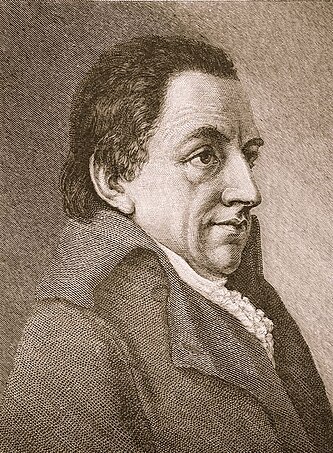
About Johann Gottlieb Fichte
Johann Gottlieb Fichte (19 May 1762 – 27 January 1814) was a German philosopher, who was one of the founding figures of the philosophical movement known as German idealism, a movement that developed from the theoretical and ethical writings of Immanuel Kant.
About Johann Gottlieb Fichte
Johann Gottlieb Fichte (19 May 1762 – 27 January 1814) was a German philosopher, who was one of the founding figures of the philosophical movement known as German idealism, a movement that developed from the theoretical and ethical writings of Immanuel Kant.
View all quotes →