Jeremy Bentham, Traités de legislation civile et pénale, 1802 (ed. E. Dumont, transl. 1864 as Theory of Legislation); "Theory of legislation" (Volume 1), The Penal Code, p. 33.
“
The offence is what is improperly called the death of an infant, who has ceased to be, before knowing what existence is, — a result of a nature not to give the slightest inquietude to the most timid imagination; and which can cause no regrets but to the very person who, through a sentiment of shame and pity, has refused to prolong a life begun under the auspices of misery.
— Jeremy Bentham on Infanticide
What It Means
This is a placeholder explanation generated by the low-overhead model. It interprets "The offence is what is improperly called the death of an infant, who has ceased to be, before knowing what existence is, — a result of a nature not to give the slightest inquietude to the most timid imagination; and which can cause no regrets but to the very person who, through a sentiment of shame and pity, has refused to prolong a life begun under the auspices of misery." in the context of "Jeremy Bentham, Traités de legislation civile et pénale, 1802 (ed. E. Dumont, transl. 1864 as Theory of Legislation); "Theory of legislation" (Volume 1), The Penal Code, p. 33." to mean that wisdom is timeless.
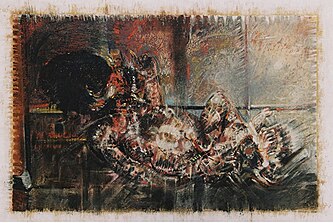
Source: Wikiquote: "Infanticide" (Quotes)
The 'What it means' explanation text was generated by Google Gemini Flash (accessed January 18, 2026). https://gemini.google.com/app
Tags
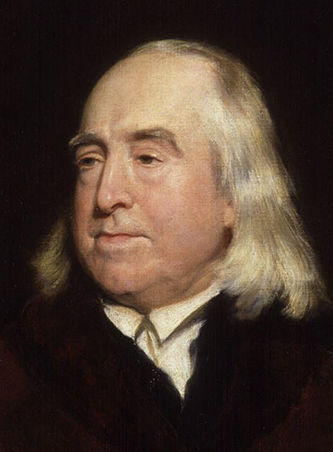
About Jeremy Bentham
Jeremy Bentham (15 February 1748 – 6 June 1832) was a British gentleman, jurist, philosopher, and legal and social reformer. He is best known as an early advocate of utilitarianism and animal rights.
About Jeremy Bentham
Jeremy Bentham (15 February 1748 – 6 June 1832) was a British gentleman, jurist, philosopher, and legal and social reformer. He is best known as an early advocate of utilitarianism and animal rights.
View all quotes →