“
[To Esau] Jacob would reply: "My brother, there are two worlds before us, this world and the world to come. In this world, men eat and drink, and traffic and marry, and bring up sons and daughters, but all this does not take place in the world to come. If it please thee, do thou take this world, and I will take the other."
— Jacob
What It Means
This is a placeholder explanation generated by the low-overhead model. It interprets "[To Esau] Jacob would reply: "My brother, there are two worlds before us, this world and the world to come. In this world, men eat and drink, and traffic and marry, and bring up sons and daughters, but all this does not take place in the world to come. If it please thee, do thou take this world, and I will take the other."" in the context of "" to mean that wisdom is timeless.

Source:
The 'What it means' explanation text was generated by Google Gemini Flash (accessed January 18, 2026). https://gemini.google.com/app
About Jacob
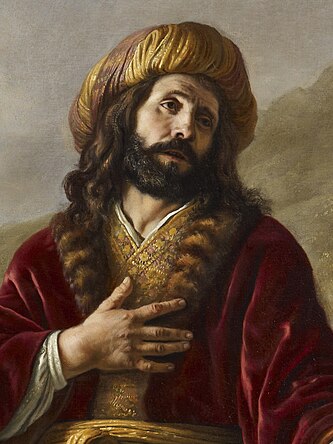
Jacob, later given the name Israel, is regarded as a Patriarch of the Israelites and so, he is an important figure in Abrahamic religions, such as Judaism, Christianity, and Islam. Jacob first appears in the Book of Genesis, where he is described as the son of Isaac and Rebecca, and the grandson of Abraham and Sarah. According to the biblical account, he was the second-born of Isaac's children, the elder being Jacob's fraternal twin brother, Esau.
View all quotes →