Ibn Ishãq, Sîrat Rasûl Allãh, translated into English by A. Gillaumne, OUP, Karachi, Seventh Impression.Quoted in in Goel, S. R. (1993). Hindu temples: What happened to them. Vol. II
“
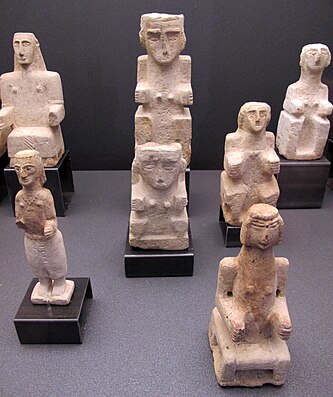
“Every household had an idol in their house which they used to worship. When a man was about to set out on a journey he would rub himself against it as he was about to ride off: indeed that was the last thing he used to do before his journey; and when he returned from his journey the first thing he did was to rub himself against it before he went in to his family…
— Ibn Ishaq on Religion in pre-Islamic Arabia
What It Means
This is a placeholder explanation generated by the low-overhead model. It interprets "“Every household had an idol in their house which they used to worship. When a man was about to set out on a journey he would rub himself against it as he was about to ride off: indeed that was the last thing he used to do before his journey; and when he returned from his journey the first thing he did was to rub himself against it before he went in to his family…" in the context of "Ibn Ishãq, Sîrat Rasûl Allãh, translated into English by A. Gillaumne, OUP, Karachi, Seventh Impression.Quoted in in Goel, S. R. (1993). Hindu temples: What happened to them. Vol. II" to mean that wisdom is timeless.
Source: Wikiquote: "Religion in pre-Islamic Arabia" (Quotes)
The 'What it means' explanation text was generated by Google Gemini Flash (accessed January 18, 2026). https://gemini.google.com/app

About Ibn Ishaq
Muḥammad ibn Isḥāq ibn Yasār ibn Khiyār (Arabic pronunciation: ɪsˈħɑːq; according to some sources, ibn Khabbār, or Kūmān, or Kūtān, Arabic: محمد بن إسحاق بن يسار بن خيار, or simply ibn Isḥaq, ابن إسحاق, meaning "the son of Isaac" (died 767) was an Arab Muslim historian and hagiographer. Ibn Ishaq collected oral traditions that formed the basis of an important biography of the Islamic prophet Muhammad.
View all quotes →