James Callaghan on Hugh Gaitskell
← Back to Hugh Gaitskell Profile
“He was a man of passion and emotion which he did not often show. He had a deep sense of personal responsibility, a strong sense of duty from which he could not be deflected when he had made up his mind, and a steely will which was a source of his courage... Compromise did not come easily to him although later, when he became Leader of the Party, he recognised the need for accommodation. And in the Shadow Cabinet he would sometimes allow a contrary view to his own view to prevail, letting it pass with a deep, deep sigh at the irrationality of his colleagues. But, on certain issues, notably immigration and the rights of West Indians to come to this country, he was unshakeable, whether his views were popular or not. On all important matters of policy he radiated the assurance that if you and he shared the same beliefs they would be safe in his care and he would not betray them, even if under pressure you yourself weakened. He was therefore a source of strength to his friends and admirers, with a personal kindliness and a sense of fun whenever he relaxed. His loss was a great tragedy. He would have been a strong Prime Minister if he had lived.”
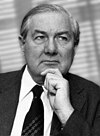
“Like many others, I admired his exceptional qualities of honesty and courage. They were to cause him trouble during his leadership, especially his determination to change the Party's constitution on public ownership and his bitter fight against unilateral disarmament. But by the time of his death he was leading a united Party that seemed poised for victory at the approaching general election. I am sometimes asked what kind of Prime Minister he would have been... his penetrating and informed mind would have shown itself in a clear vision of the direction in which he wanted to take a socialist Britain. He had formed strong views about equal opportunity and abhorred racialism, and he possessed a passionate belief in Britain's future... His deep sense of Britain's history and greatness would have led him as Prime Minister to offer a strong lead on world issues. He was pro-Europe but anti-Common Market because, like others among us, he was a strong believer in the Atlantic Alliance. And he cared deeply about the Commonwealth. Perhaps, had he lived to see our former colonial territories in the Commonwealth forming other alliances and in the process growing away from Britain, together with our lessening importance in the eyes of the United States, he might have changed his mind about membership of the European Community.”