Tyranny produces two results, exactly opposite in character, and which are symbolized in those two great types of the slave in classical times — Epictetus and Spartacus. The one is hatred with its evil train, the other meekness with its Christian graces.
• Ch. 3: The Story of a Happy Woman
• Ch. 3: The Story of a Happy Woman
“
La tyrannie produit deux effets contraires dont les symboles existent dans deux grandes figures de l'esclavage antique : Epictète et Spartacus, la haine et ses sentiments mauvais, la résignation et ses tendresses chrétiennes.
— Honoré de Balzac
What It Means
This is a placeholder explanation generated by the low-overhead model. It interprets "La tyrannie produit deux effets contraires dont les symboles existent dans deux grandes figures de l'esclavage antique : Epictète et Spartacus, la haine et ses sentiments mauvais, la résignation et ses tendresses chrétiennes." in the context of "Tyranny produces two results, exactly opposite in character, and which are symbolized in those two great types of the slave in classical times — Epictetus and Spartacus. The one is hatred with its evil train, the other meekness with its Christian graces.
• Ch. 3: The Story of a Happy Woman" to mean that wisdom is timeless.
Source: Wikiquote: "Honoré de Balzac" (Quotes, A Daughter of Eve (1839): Une Fille d'Ève. translated by R. S. Scott. French text here.)
The 'What it means' explanation text was generated by Google Gemini Flash (accessed January 18, 2026). https://gemini.google.com/app
Tags
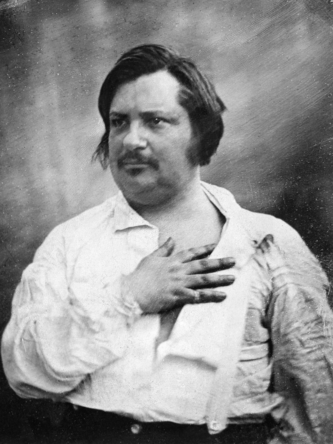
About Honoré de Balzac
Honoré de Balzac (20 May 1799 – 18 August 1850) was a French novelist. Along with Flaubert, he is generally regarded as a founding father of realism in European literature.
About Honoré de Balzac
Honoré de Balzac (20 May 1799 – 18 August 1850) was a French novelist. Along with Flaubert, he is generally regarded as a founding father of realism in European literature.
View all quotes →