[Jesus' Jewish contemporaries] are still thinking in terms of a temporal redemption and of an earthly kingdom that they had hoped from Jesus up until that time. Israel or the Jewish people was to be redeemed, but not the human race... Thus it was not a savior of the human race who would expiate the sins of the whole world through his Passion and death, but one who would redeem the people of Israel from temporal servitude.
What It Means
This is a placeholder explanation generated by the low-overhead model. It interprets "[Jesus' Jewish contemporaries] are still thinking in terms of a temporal redemption and of an earthly kingdom that they had hoped from Jesus up until that time. Israel or the Jewish people was to be redeemed, but not the human race... Thus it was not a savior of the human race who would expiate the sins of the whole world through his Passion and death, but one who would redeem the people of Israel from temporal servitude." in the context of "I/30, pp. 127–128, as quoted in Jon Stewart's The Unity of Content and Form in Philosophical Writing (Bloomsbury Publishing, 2013), p. 69, and An Introduction to Hegel's Lectures on the Philosophy of Religion (Oxford University Press, 2022), p. 42" to mean that wisdom is timeless.

Tags
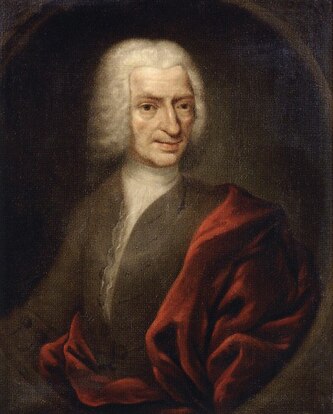
About Hermann Samuel Reimarus