I remember we were at some club in Detroit, and playing all kinds of crazy things behind George, while behind Miles we played really straight. And Miles said afterward, "Why don't you play like that behind me?" That's when Tony and I began playing our little musical game behind Miles. After only four days, it turned around and he was leading us. And Miles began playing different after that. It was the most uncannily rapid adaptation I could ever imagine.
What It Means
This is a placeholder explanation generated by the low-overhead model. It interprets "I remember we were at some club in Detroit, and playing all kinds of crazy things behind George, while behind Miles we played really straight. And Miles said afterward, "Why don't you play like that behind me?" That's when Tony and I began playing our little musical game behind Miles. After only four days, it turned around and he was leading us. And Miles began playing different after that. It was the most uncannily rapid adaptation I could ever imagine." in the context of ""Herbie Hancock: A Man for All Seasons, Be They Heavy or Lighthearted, Hip Jazz or Hip-Hop, Natural or Digital" by Bill Flanagan, Musician (January 1985) p. 58" to mean that wisdom is timeless.
Tags
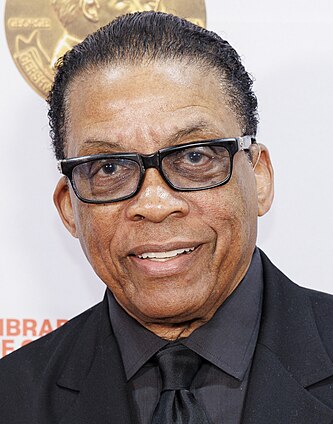
About Herbie Hancock