[The] notion of the life of an animal having 'no moral purpose,' belongs to a class of ideas which cannot possibly be accepted by the advanced humanitarian thought of the present day—it is a purely arbitrary assumption, at variance with our best instincts, at variance with our best science, and absolutely fatal (if the subject be clearly thought out) to any full realization of animals' rights. If we are ever going to do justice to the lower races, we must get rid of the antiquated notion of a 'great gulf' fixed between them and mankind, and must recognize the common bond of humanity that unites all living beings in one universal brotherhood.
What It Means
This is a placeholder explanation generated by the low-overhead model. It interprets "[The] notion of the life of an animal having 'no moral purpose,' belongs to a class of ideas which cannot possibly be accepted by the advanced humanitarian thought of the present day—it is a purely arbitrary assumption, at variance with our best instincts, at variance with our best science, and absolutely fatal (if the subject be clearly thought out) to any full realization of animals' rights. If we are ever going to do justice to the lower races, we must get rid of the antiquated notion of a 'great gulf' fixed between them and mankind, and must recognize the common bond of humanity that unites all living beings in one universal brotherhood." in the context of "Chapter 1" to mean that wisdom is timeless.

Tags
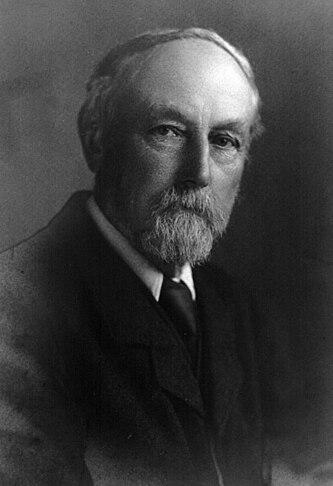
About Henry Stephens Salt