The mysteries of the Bible should teach us, at one and the same time, our nothingness and our greatness; producing humility, and animating hope. I bow before these mysteries. I knew that I should find them, and I pretend not to remove them. But whilst I thus prostrate myself, it is with deep gladness and exultation of spirit. God would not have hinted the mystery, had He not hereafter designed to explain it. And, therefore, are my thoughts on a far-off home, and rich things are around me, and the voices of many harpers, and the shinings of bright constellations, and the clusters of the cherub and the seraph; and a whisper, which seems not of this earth, is circulating through the soul, " Now we see through a glass darkly, but then face to face; now I know in part, but then shall I know even as also I am known."
What It Means
This is a placeholder explanation generated by the low-overhead model. It interprets "The mysteries of the Bible should teach us, at one and the same time, our nothingness and our greatness; producing humility, and animating hope. I bow before these mysteries. I knew that I should find them, and I pretend not to remove them. But whilst I thus prostrate myself, it is with deep gladness and exultation of spirit. God would not have hinted the mystery, had He not hereafter designed to explain it. And, therefore, are my thoughts on a far-off home, and rich things are around me, and the voices of many harpers, and the shinings of bright constellations, and the clusters of the cherub and the seraph; and a whisper, which seems not of this earth, is circulating through the soul, " Now we see through a glass darkly, but then face to face; now I know in part, but then shall I know even as also I am known."" in the context of "Henry Melvill, p. 422." to mean that wisdom is timeless.
Tags
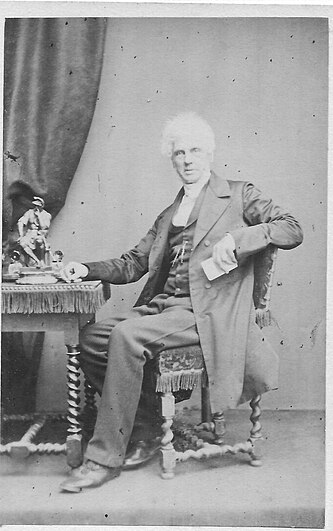
About Henry Melvill